

Citrusvruchten zijn gezond — daar is iedereen het over eens. Toch begrijpen maar weinig mensen echt waarom verse, onbewerkte citrusvruchten zo vaak worden aanbevolen als onderdeel van een evenwichtig dieet. Meestal gaat het gesprek vooral over vitamine C en de rol daarvan bij de ondersteuning van het immuunsysteem, maar de werkelijkheid is veel interessanter. Vitamine C is slechts een van de vele heilzame stoffen die in citrusvruchten voorkomen, en enkele van de meest waardevolle daarvan zijn een groep plantaardige stoffen die citrusbioflavonoïden worden genoemd.
Wat zijn citrusbioflavonoïden?
Citrusbioflavonoïden zijn van nature voorkomende plantaardige stoffen die verantwoordelijk zijn voor de levendige kleuren van vruchten zoals sinaasappels, citroenen, grapefruits, en limoenen. Ze behoren tot een brede familie van fytonutriënten die bekend staan als flavonoïden — een opmerkelijk diverse groep met meer dan 4, 000 geïdentificeerde chemische verbindingen. Vroege onderzoekers dachten aanvankelijk dat ze een nieuwe vitamine hadden ontdekt en noemden ze "vitamine P", maar de naam werd uiteindelijk geschrapt toen wetenschappers hun unieke aard en classificatie gingen begrijpen. Wat alle bioflavonoïden gemeen hebben, is een karakteristiek koolstofskelet met een C6-C3-C6-structuur. Dit basisskelet ondergaat verschillende chemische modificaties, die als basis dienen voor het indelen van bioflavonoïden in verschillende subgroepen. In de context van citrusvruchten, behoren de belangrijkste groepen tot:
- Flavonolen — waaronder quercetine, aangetroffen in uien, appels, citrusvruchten, thee, en rode wijn, evenals rutine, aanwezig in appelschillen, thee, en boekweit
- Flavanonen — met name hesperidine en naringenine, beide in overvloed aanwezig in citrusvruchten
- Catechinen — vaak aangetroffen in thee en wijn
- Anthocyanidinen — zoals cyanidine, delphinidine, en peonidine, aangetroffen in bessen en donkergekleurd fruit
Gezondheidseigenschappen van citrusbioflavonoïden
Citrusbioflavonoïden worden gewaardeerd om hun veelzijdige eigenschappen die de algehele gezondheid en het welzijn kunnen ondersteunen. Onderzoek suggereert dat ze niet alleen een rol spelen in het dagelijkse welzijn, maar ook in de natuurlijke afweermechanismen van het lichaam. Een van de meest besproken voordelen is hun potentieel om het immuunsysteem te ondersteunen, met name tijdens seizoensgebonden uitdagingen zoals verkoudheid en griep. Een van de belangrijkste eigenschappen die aan citrusbioflavonoïden wordt toegeschreven, is hun antioxidantwerking. Deze verbindingen kunnen het lichaam helpen beschermen tegen oxidatieve stress veroorzaakt door vrije radicalen — UNS moleculen die ontstaan tijdens normale stofwisselingsprocessen. Door bij te dragen aan de antioxidantafweer van het lichaam, kunnen bioflavonoïden de cardiovasculaire gezondheid ondersteunen, helpen bij het handhaven van gezonde ontstekingsreacties, en bijdragen aan celbescherming. Voor wie geïnteresseerd is in ondersteuning met antioxidanten, biedt onze collectie antioxidantensupplementen een zorgvuldig samengestelde selectie van producten van vertrouwde merken.
Citrusbioflavonoïden staan ook bekend om hun synergetische relatie met vitamine C. Studies suggereren dat bioflavonoïden de opname en benutting van vitamine C in het lichaam kunnen verbeteren, wat de reden is waarom veel hoogwaardige vitamine C-supplementen bioflavonoïden in hun samenstelling bevatten. Deze combinatie biedt mogelijk een uitgebreidere ondersteuning dan elk van beide voedingsstoffen afzonderlijk.
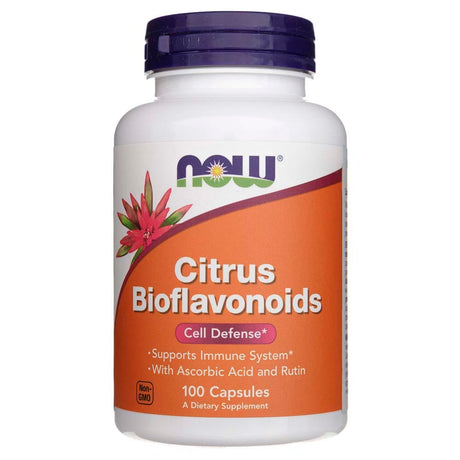


Now Foods
Now Foods Citrus Bioflavonoïden 700 mg - 100 Capsules
Reguliere prijs €11.39Eenheid prijs€0.11 per stuk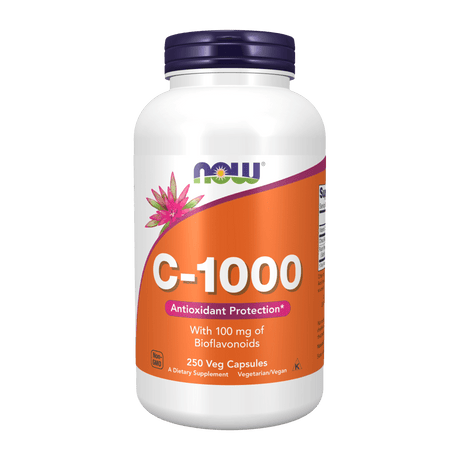
Now Foods
Now Foods Vitamine C-1000 met bioflavonoïden - 250 plantaardige capsules
Reguliere prijs €22.29Eenheid prijs€0.09 per stuk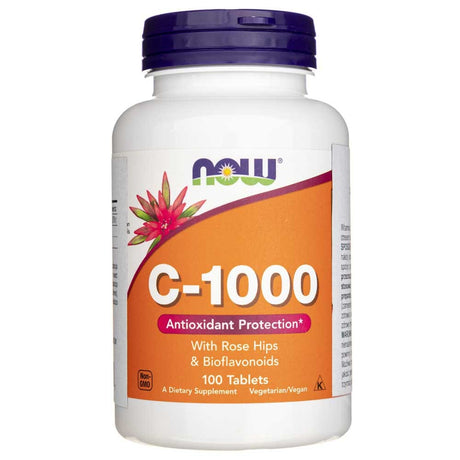


Now Foods
Now Foods Vitamine C-1000 met Rozenbottels & Bioflavonoïden - 100 tabletten
Reguliere prijs €9.69Eenheid prijs€0.10 per stuk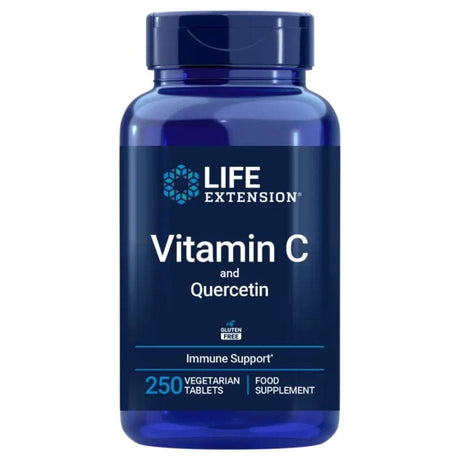
 5% korting
Life Extension
Life Extension Vitamine C en Bio-Quercetine fytosoom - 250 tabletten
Verkoopprijs €31.52 Reguliere prijs €33.19Eenheid prijs€0.13 per stuk


Quercetine en rutine — Belangrijke bioflavonoïden die het waard zijn om te kennen
Van alle citrusbioflavonoïden, verdienen quercetine en rutine speciale aandacht. Quercetine is een van de meest onderzochte flavonoïden, en staat bekend om zijn krachtige antioxiderende eigenschappen en zijn potentieel om een gezonde ontstekingsreactie te ondersteunen. Het komt van nature voor in citrusvruchten, uien, appels, en thee, en is op grote schaal verkrijgbaar als op zichzelf staand supplement — vaak gecombineerd met bromelaïne voor een betere opname.
Rutine, ook wel "vitamine P2," genoemd, is een andere belangrijke bioflavonoïde die voorkomt in citrusschillen, boekweit, en appelschillen. Het wordt traditioneel geassocieerd met ondersteuning van de gezondheid van de bloedvaten en een normale bloedsomloop. Zowel quercetine als rutine zijn verkrijgbaar in onze assortiment quercetinesupplementen, met producten van merken als Now Foods, Solgar, en Aliness.
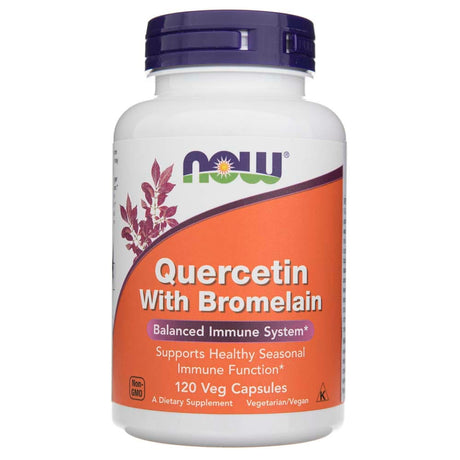


Now Foods
Now Foods Quercetine met bromelaïne - 120 plantaardige capsules
Reguliere prijs €29.49Eenheid prijs€0.25 per stuk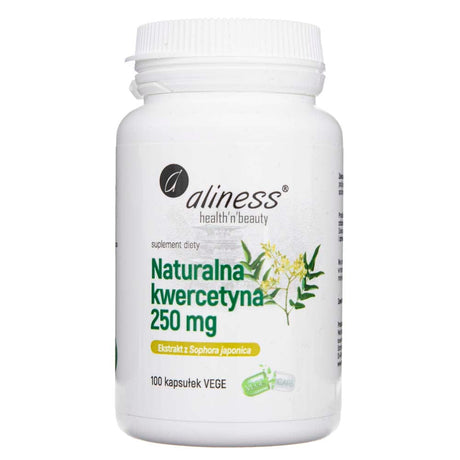


Aliness
Aliness Natuurlijke Quercetine 250 mg - 100 plantaardige capsules
Reguliere prijs €15.49Eenheid prijs€0.15 per stuk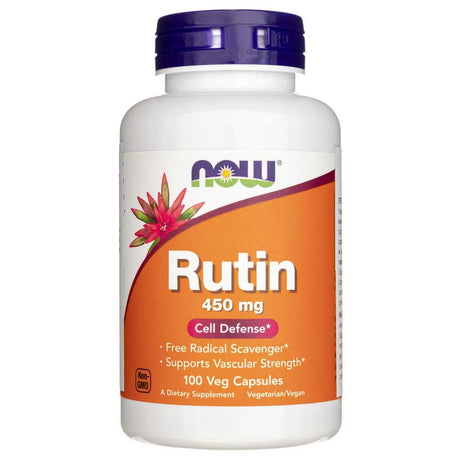
Now Foods
Now Foods Rutine 450 mg - 100 plantaardige capsules
Reguliere prijs €15.19Eenheid prijs€0.15 per stuk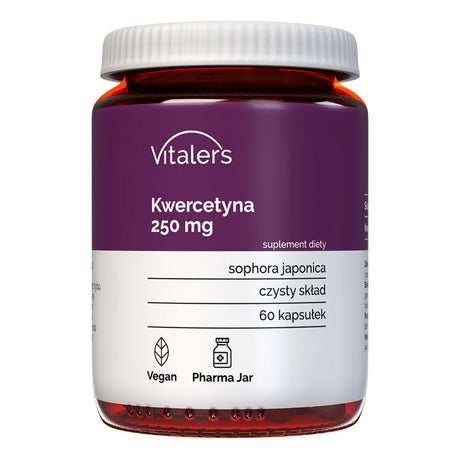

 25% korting
Vitaler's
Vitaler's Quercetine 250 mg - 60 Capsules
Verkoopprijs €6.59 Reguliere prijs €8.79Eenheid prijs€0.11 per stuk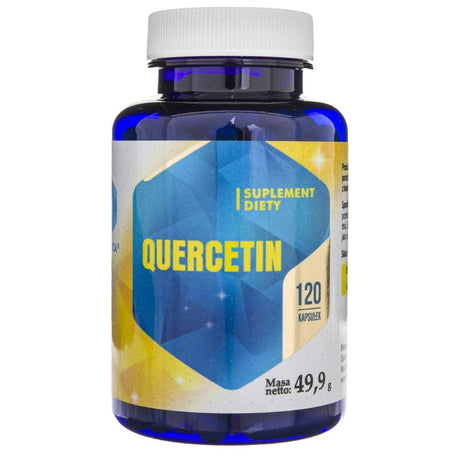


Hepatica
Hepatica Quercetine 316 mg - 120 plantaardige capsules
Reguliere prijs €14.39Eenheid prijs€0.12 per stuk


Citrusbioflavonoïden — Dosering en praktische tips
Voor mensen die een uitgebalanceerd dieet volgen dat rijk is aan verse citrusvruchten en andere plantaardige voedingsmiddelen, is de inname van bioflavonoïden via de voeding mogelijk al voldoende. De sleutel is het consumeren van hele vruchten in hun rauwe, onbewerkte vorm — inclusief het witte vlies en de zaadlijsten van citrusvruchten, die doorgaans bijzonder rijk zijn aan deze stoffen. Evenzo kan het eten van appels met schil uw inname van bioflavonoïden aanzienlijk verhogen.
Wanneer extra ondersteuning gewenst is, zijn supplementen met citrusbioflavonoïden een handige optie. Een veelgenoemde dagelijkse inname voor bioflavonoïden als supplement ligt rond de 1, 000 mg, hoewel individuele behoeften kunnen variëren. In termen van de dagelijkse voeding wordt het streven naar enkele honderden milligrammen bioflavonoïden via voedsel als een redelijk doel beschouwd — gemakkelijk haalbaar bij regelmatige consumptie van verse citrusvruchten, bessen en uien.
Als u vooral geïnteresseerd bent in een specifieke flavonoïde, zoals quercetine of rutine, bieden afzonderlijke supplementen hogere geconcentreerde doses. Voor bredere ondersteuning met antioxidanten, is een citrusbioflavonoïdencomplex wellicht de betere keuze. Welke optie u ook kiest, het selecteren van producten van gerenommeerde internationale merken helpt de kwaliteit en consistentie te waarborgen. Bij Medpak, hebben we bioflavonoïdesupplementen van vertrouwde merken, waaronder Now Foods, Solgar, Life Extension, en Aliness — allemaal geproduceerd binnen de EU voor snelle levering in Europa.
Belangrijkste conclusie: Citrusbioflavonoïden zijn een diverse groep plantaardige stoffen die de antioxidantafweer, de cardiovasculaire gezondheid, en de immuunfunctie kunnen ondersteunen. Of het nu via een dieet rijk aan verse citrusvruchten is of via gerichte suppletie, deze natuurlijke stoffen vormen een waardevolle aanvulling op uw dagelijkse wellnessroutine. Bekijk ons volledige assortiment supplementen ter ondersteuning van het immuunsysteem om de juiste producten voor uw behoeften te vinden.
Dit artikel is uitsluitend informatief en vervangt geen medisch advies. Heb je gezondheidsklachten, ben je zwanger, geef je borstvoeding of gebruik je medicijnen, raadpleeg dan een arts of apotheker. Voedingssupplementen zijn geen vervanging voor een gevarieerd voedingspatroon.


