

Het immuunsysteem is het hele jaar door actief — niet alleen in de winter. Het consequent ondersteunen ervan via voeding en gerichte supplementen is een van de meest wetenschappelijk onderbouwde manieren om je gezondheid op de lange termijn te versterken. De uitdaging is dat de markt voor immuunsupplementen enorm is en sterk varieert in wetenschappelijke geloofwaardigheid. Deze gids richt zich op de ingrediënten met de sterkste wetenschappelijke onderbouwing, en legt duidelijk uit wat elk ervan bijdraagt en wie er waarschijnlijk het meest baat bij heeft.
Wat het immuunsysteem daadwerkelijk nodig heeft
Het immuunsysteem is geen enkel orgaan, maar een verspreid netwerk van cellen, eiwitten, en weefsels — waaronder witte bloedcellen, lymfeklieren, de milt, beenmerg, en slijmvliesbarrières in de darmen en de luchtwegen. Het werkt op twee manieren: aangeboren immuniteit (de snelle, niet-specifieke eerste reactie op pathogenen) en adaptieve immuniteit (de langzamere, gerichte reactie die antilichamen en geheugencellen produceert). De meeste voedingsstoffen en plantaardige middelen die worden gebruikt ter ondersteuning van het immuunsysteem werken door een of beide van deze systemen te ondersteunen — hetzij door ervoor te zorgen dat de immuuncellen de micronutriënten hebben die ze nodig hebben om te functioneren, hetzij door ontstekingssignalering te moduleren.
De allerbelangrijkste stap voor een gezond immuunsysteem is ervoor zorgen dat er geen tekorten zijn aan de essentiële micronutriënten waarvan immuuncellen afhankelijk zijn. Dit is waar evidence-based suppletie begint.
De evidence-based basis: essentiële micronutriënten
Vitamine D3 — Het meest voorkomende tekort in Europa
Vitamine D3 is de meest consistent gedocumenteerde immuunondersteunende voedingsstof bij Europese bevolkingsgroepen — en de meest voorkomende tekort. Door de EU goedgekeurde gezondheidsclaims bevestigen dat vitamine D bijdraagt aan de normale werking van het immuunsysteem. Vitamine D-receptoren zijn aanwezig op vrijwel elk type immuuncel, en een tekort schaadt zowel de aangeboren als de adaptieve immuunrespons. In Noord-Europese landen en tijdens de herfst- en wintermaanden, is een adequate synthese van vitamine D3 uit zonlicht voor de meeste mensen onmogelijk, waardoor suppletie voor velen essentieel is in plaats van optioneel. Standaard suppletiedoses variëren van 1, 000–4, 000 IE per dag; personen met een bevestigd tekort kunnen onder medisch toezicht hogere doses nodig hebben.
Vitamine C — Antioxidant en ondersteuning van het immuunsysteem
Vitamine C draagt bij aan de normale werking van het immuunsysteem (door de EU goedgekeurde gezondheidsclaim), ondersteunt de aanmaak en werking van witte bloedcellen, en werkt als antioxidant die immuuncellen beschermt tijdens de oxidatieve stress van een actieve immuunrespons. Hoewel een hoge dosis vitamine C niet het wondermiddel tegen verkoudheid is dat men vroeger dacht dat het was, ondersteunt een consistente dagelijkse inname op adequate niveaus — 200–1, 000 mg/dag — de basisweerstand van het immuunsysteem en kan de duur van luchtweginfecties in beperkte mate verkorten. Formules met vertraagde afgifte zorgen voor consistentere plasmaspiegels gedurende de dag.
Zink — Centraal in de ontwikkeling van immuuncellen
Zink draagt bij aan de normale werking van het immuunsysteem (EU-goedgekeurd), is nodig voor de ontwikkeling en activering van T-cellen en natuurlijke killercellen, en ondersteunt normale ontstekingsreacties. Zinktekort — niet ongewoon bij mensen met een beperkt dieet, oudere volwassenen, of vegetariërs — tast de immuunfunctie aanzienlijk aan. De biologische beschikbaarheid varieert aanzienlijk tussen de verschillende vormen: gechelateerd zink (, zinkpicolinaat, zinkbisglycinaat, en L-OptiZinc) worden bij gelijke doseringen beter opgenomen dan zinkoxide of zinkgluconaat.
Selenium — Antioxidant en immuunregulatie
Selenium draagt bij aan de normale werking van het immuunsysteem en de normale schildklierfunctie (EU-goedgekeurd). Het is een cofactor voor glutathionperoxidase-enzymen, die immuuncellen beschermen tegen oxidatieve schade tijdens een actieve immuunrespons. Europese bodems zijn relatief seleniumarm, waardoor de inname via de voeding alleen in veel landen onbetrouwbaar is. Selenomethionine en seleniumgist zijn de best opneembare supplementvormen.


Now Foods
Now Foods Vitamine D3 2000 IU - 120 softgels
Reguliere prijs €5.49Eenheid prijs€0.05 per stuk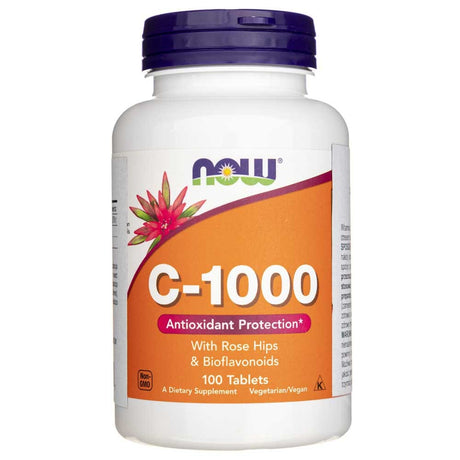


Now Foods
Now Foods Vitamine C-1000 met Rozenbottels & Bioflavonoïden - 100 tabletten
Reguliere prijs €9.69Eenheid prijs€0.10 per stuk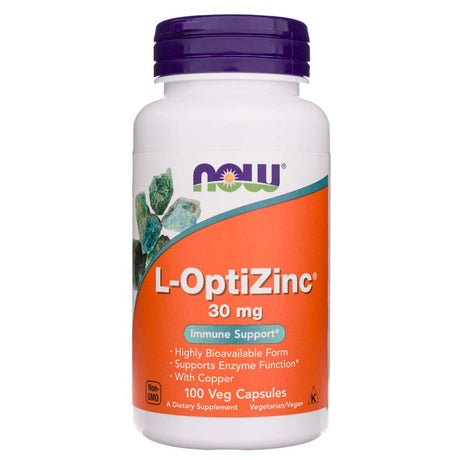


Now Foods
Now Foods L-OptiZink 30 mg - 100 plantaardige capsules
Reguliere prijs €8.89Eenheid prijs€0.09 per stuk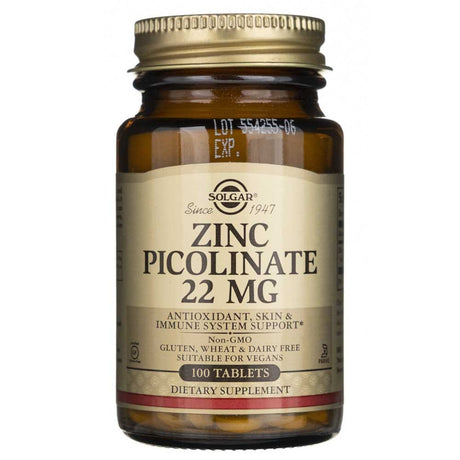


Solgar
Solgar Zinkpicolinaat 22 mg - 100 tabletten
Reguliere prijs €12.19Eenheid prijs€0.12 per stuk


Now Foods
Now Foods Selenium 200 mcg - 90 plantaardige capsules
Reguliere prijs €6.89Eenheid prijs€0.08 per stuk


Beta-glucaan — Een van de meest bestudeerde immuunmodulatoren
Beta-glucaan is een polysaccharide dat voorkomt in de celwanden van gist, haver, en bepaalde paddenstoelen. De 1, 3/1, 6-beta-D-glucaanvorm (uit bakkersgist, Saccharomyces cerevisiae) is de meest onderzochte supplementvorm en heeft een goed gekarakteriseerd werkingsmechanisme: het bindt zich aan patroonherkenningsreceptoren (Dectin-1 en complementreceptor 3) op macrofagen en neutrofielen, waardoor het aangeboren immuunsysteem wordt geactiveerd voor een snellere en effectievere herkenning van pathogenen. Meerdere klinische onderzoeken hebben aangetoond dat suppletie met gist-bèta-glucaan de incidentie en duur van infecties van de bovenste luchtwegen vermindert. Dit is een van de sterkste bewijsbasissen die beschikbaar zijn voor een immuunversterkend kruid. Onze immuunsysteemcollectie bevat verschillende bèta-glucaanopties.
Quercetine — Antiviraal en ontstekingsremmend flavonoïde
Quercetine is een plantaardig flavonoïde dat voorkomt in uien, kappertjes, appels, en vele andere groenten en fruit. Er is veel onderzoek gedaan naar de antivirale eigenschappen ervan — laboratoriumstudies hebben de werking tegen een reeks respiratoire virussen aangetoond — evenals de ontstekingsremmende effecten, die worden gemedieerd door remming van pro-inflammatoire cytokines en stabilisatie van mestcellen. De biologische beschikbaarheid van quercetine uit voedingsbronnen is bescheiden; quercetinesupplementen (, met name in combinatie met bromelaïne of vitamine C, die de opname bevorderen), zorgen voor consistentere plasmaconcentraties. Het wordt vaak gebruikt als onderdeel van een seizoensgebonden immuniteitsprotocol.
Echinacea — Traditionele ondersteuning met klinisch bewijs
Echinacea (Echinacea purpurea en E. angustifolia) is een van de meest bestudeerde kruidensupplementen voor het immuunsysteem met een eeuwen-lange geschiedenis van gebruik door inheemse Noord-Amerikaanse volkeren. Het klinische bewijs is het meest consistent voor het verkorten van de duur van infecties van de bovenste luchtwegen wanneer de behandeling bij het begin van de symptomen wordt gestart, waarbij verschillende meta-analyses deze toepassing ondersteunen. Echinacea lijkt de aangeboren immuunactiviteit te stimuleren — door de activiteit van natuurlijke killercellen en de fagocytische functie te verhogen — in plaats van louter voedingsondersteuning te bieden. Het wordt doorgaans gebruikt als een kortdurend supplement voor acute klachten in plaats van als een continu supplement.
Propolis — breedspectrum antimicrobieel middel uit de bijenkorf
Propolis is een harsachtige substantie die door bijen wordt geproduceerd uit boomschors en sap, en die wordt gebruikt om de bijenkorf af te dichten en te steriliseren. Het bevat flavonoïden (met name pinocembrine en galangine), fenolzuren, terpenoïden, en andere verbindingen met goed gedocumenteerde antimicrobiële, antivirale, schimmelwerende, en ontstekingsremmende eigenschappen. Klinische studies hebben aangetoond dat propolis-extracten effectief zijn bij infecties van de bovenste luchtwegen, mondgezondheid, en wondgenezing. De breedspectrum antimicrobiële werking maakt het bijzonder relevant tijdens periodes van verhoogde blootstelling aan infecties.


Now Foods
Now Foods Beta-Glucanen met ImmunEnhancer, Extra Sterkte - 60 plantaardige capsules
Reguliere prijs €15.69Eenheid prijs€0.26 per stuk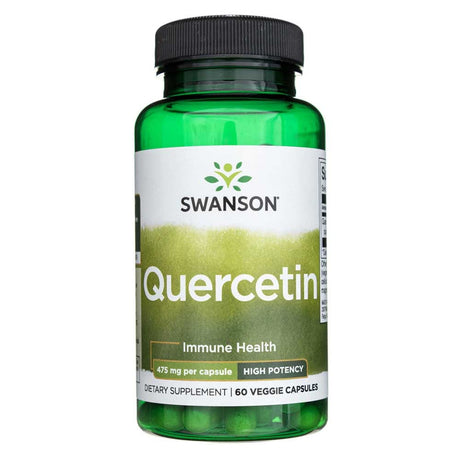


Swanson
Swanson Quercetine 475 mg - 60 plantaardige capsules
Reguliere prijs €18.59Eenheid prijs€0.31 per stuk


Now Foods
Now Foods Echinacea 400 mg - 100 plantaardige capsules
Reguliere prijs €9.19Eenheid prijs€0.09 per stuk
Now Foods
Now Foods Propolis 2000 5:1 extract - 90 softgels
Reguliere prijs €20.19Eenheid prijs€0.22 per stuk


Kruidenadaptogenen voor het immuunsysteem die de moeite waard zijn om te kennen
Andrographis
Andrographis (Andrographis paniculata) is een van de meest door bewijs-ondersteunde kruidensupplementen voor acute luchtweginfecties. Meerdere klinische onderzoeken — waaronder door Cochrane beoordeelde meta-analyses — ondersteunen het gebruik ervan voor het verminderen van de ernst en duur van symptomen van de bovenste luchtwegen. Andrographolide, de primaire werkzame stof, heeft gedocumenteerde ontstekingsremmende en antivirale eigenschappen. Het wordt doorgaans gebruikt bij het begin van de ziekte in plaats van continu.
Astragalus
Astragalus (Astragalus membranaceus) is een wortelkruid met een 2, 000-jarige geschiedenis in de Traditionele Chinese Geneeskunde als immuunstimulerend middel. Klinisch onderzoek ondersteunt de adaptogene werking ervan bij het ondersteunen van de immuunweerstand tijdens chronische stress en bij mensen met een verzwakt immuunsysteem. In tegenstelling tot echinacea en andrographis, wordt astragalus gebruikt als een langdurig tonicum in plaats van bij acute klachten.
Olijfbladextract
Olijfbladextract — gestandaardiseerd op oleuropeïne — heeft antimicrobiële en antivirale eigenschappen die in laboratoriumstudies zijn gedocumenteerd. Het wordt zowel gebruikt ter ondersteuning van het immuunsysteem als voor de cardiovasculaire gezondheid (oleuropeïne ondersteunt een normale bloeddruk en het vetstofwisseling). Een praktisch supplement met een dubbele werking voor mensen die zowel hun immuunsysteem als hun hart- en vaatstelsel willen ondersteunen.


Now Foods
Now Foods Andrographis Extract 400 mg - 90 plantaardige capsules
Reguliere prijs €12.79Eenheid prijs€0.14 per stuk


 25% korting
Vitaler's
Vitaler's Andrographis 480 mg - 60 Capsules
Verkoopprijs €4.64 Reguliere prijs €6.19Eenheid prijs€0.08 per stuk


Hepatica
Hepatica Astragalus Premium - 90 Capsules
Reguliere prijs €7.29Eenheid prijs€0.08 per stuk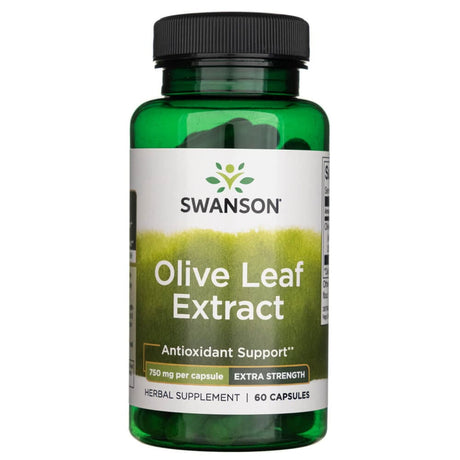


Swanson
Swanson Olijfbladextract 750 mg - 60 Capsules
Reguliere prijs €10.69Eenheid prijs€0.18 per stuk


Aura Herbals
Aura Herbals Knoflook Immuno+ - 60 Capsules
Reguliere prijs €6.79Eenheid prijs€0.11 per stuk


Een praktisch protocol voor immuunondersteuning opstellen
De meest effectieve benadering van immuunsupplementen maakt onderscheid tussen basisondersteuning gedurende het hele jaar en acute interventie. Een praktisch kader:
- Basisondersteuning het hele jaar door: Vitamine D3 (1, 000–4, 000 IE per dag, vooral in oktober–maart), vitamine C (500–1, 000 mg), zink (15–25 mg), selenium (100–200 mcg), en bèta-glucaan als immuunweerstand een prioriteit is
- Seizoensgebonden of acuut: Andrographis of echinacea bij het begin van symptomen; propolis tijdens periodes van hoge blootstelling aan infecties; quercetine als onderdeel van een ontstekingsremmend seizoensprotocol
- Voor het versterken van het immuunsysteem op de lange termijn: Astragalus of vergelijkbare adaptogenen voor mensen met chronische stress of een over het algemeen trage immuunrespons
Geen enkel supplement compenseert slecht slapen, ontoereikende voeding, of chronische stress — factoren die de immuunfunctie allemaal aanzienlijk belemmeren. Supplementen werken het beste als aanvulling op een gevarieerd dieet met onbewerkte voedingsmiddelen, regelmatige lichaamsbeweging, en voldoende rust.
Dit artikel is uitsluitend informatief en vervangt geen medisch advies. Heb je gezondheidsklachten, ben je zwanger, geef je borstvoeding of gebruik je medicijnen, raadpleeg dan een arts of apotheker. Voedingssupplementen zijn geen vervanging voor een gevarieerd voedingspatroon.


