

Honden en katten delen ons huis en onze dagelijkse routines — en steeds, meer eigenaren beseffen dat voeding voor de gezondheid van een huisdier op de lange termijn net zo’n centrale rol speelt als voor onze eigen gezondheid. Een goed commercieel dieet voorziet in de basisbehoeften van de meeste gezonde dieren, maar bepaalde levensfasen, gezondheidsproblemen en voedingsbenaderingen zorgen voor tekorten die met gerichte supplementen kunnen worden aangevuld. Deze gids behandelt de belangrijkste categorieën supplementen, de situaties waarin ze het meest relevant zijn en waar u op moet letten bij het kiezen van producten voor uw huisdier.
Hebben huisdieren eigenlijk wel supplementen nodig?
Het eerlijke antwoord is: dat hangt ervan af. Gezonde volwassen dieren die een qua voedingswaarde complete, en op de juiste wijze samengestelde voeding eten, hebben mogelijk zeer weinig supplementen nodig. De situaties waarin suppletie echt relevant wordt, zijn onder meer:
- Zelfbereide of rauwe (BARF) diëten — diëten die zonder commerciële samenstelling worden bereid, vertonen vaak een tekort aan een of meer voedingsstoffen, tenzij ze zorgvuldig worden aangevuld. Calcium, sporenelementen, en in vet oplosbare vitamines zijn de meest voorkomende tekorten.
- Puppy's en kittens — snelle groei zorgt voor een verhoogde behoefte aan specifieke voedingsstoffen, met name de calcium-fosforbalans bij puppy's van grote rassen, waarbij onjuiste verhoudingen kunnen bijdragen aan ontwikkelingsproblemen van het skelet.
- Oudere dieren — oudere honden en katten ondergaan veranderingen in de efficiëntie van de opname van voedingsstoffen, de gezondheid van de gewrichten, en de immuunfunctie, die baat kunnen hebben bij gerichte suppletie, met name omega-3-vetzuren en gewrichtsondersteunende verbindingen.
- Dieren die herstellen van ziekte, een operatie, of een TiB iotische behandeling — herstel verhoogt de voedingsbehoeften en een TiB iotische kuur vermindert de diversiteit van het darmmicrobioom.
- Specifieke gezondheidsproblemen — gewrichtsaandoeningen, huidaandoeningen, spijsverteringsproblemen, en angst behoren tot de meest voorkomende redenen waarom eigenaren hun toevlucht nemen tot gerichte supplementen.
Omgekeerd brengt onnodige suppletie zijn eigen risico's met zich mee — de in vet oplosbare vitaminen A en D kunnen zich ophopen tot toxische niveaus, een teveel aan calcium bij opgroeiende puppy's van grote rassen wordt in verband gebracht met orthopedische ontwikkelingsziekten, en sommige supplementen hebben een wisselwerking met medicijnen. Daarom is advies van een dierenarts geen formaliteit, maar een echte praktische noodzaak.
Omega-3-vetzuren: de categorie met de sterkste bewijskracht
Van alle supplementen voor huisdieren, hebben omega-3-vetzuren — met name EPA en DHA uit mariene bronnen — de sterkste en breedste bewijsbasis. Ze zijn relevant voor vrijwel elke levensfase van een huisdier en in een breed scala aan gezondheidscontexten:
- Gezondheid van huid en vacht — EPA en DHA verminderen de productie van ontstekingsmediatoren die betrokken zijn bij huidaandoeningen, wat resulteert in een verbeterde vachtconditie, minder schilfering, en verlichting van pruritus (jeuk) bij veel getroffen dieren.
- Gewrichtsontsteking — omega-3 vetzuren hebben een gedocumenteerd ontstekingsremmend effect dat relevant is voor artrose bij honden; verschillende klinische studies hebben een significante vermindering aangetoond in kreupelheidsscores en pijnindicatoren bij artritische honden die visolie als supplement kregen.
- Cardiovasculaire gezondheid — met name relevant bij rassen die vatbaar zijn voor hartaandoeningen.
- Cognitieve functie bij oudere dieren — DHA is het belangrijkste structurele vetzuur van hersenweefsel; suppletie bij oudere honden kan de cognitieve functie ondersteunen en tekenen van leeftijdsgebonden cognitieve stoornissen verminderen.
- Immuunmodulatie — vermindert overmatige ontstekingsreacties die relevant zijn bij allergische aandoeningen.
De bron van omega-3 is van belang: visolie en krillolie leveren EPA en DHA direct in hun actieve vorm. Plantaardige ALA (uit lijnzaadolie) wordt bij honden slecht omgezet in EPA/DHA en bij katten zeer slecht. Voor katten, is omega-3 uit mariene bronnen geen optie — het is essentieel, aangezien katten ALA helemaal niet op een zinvolle manier kunnen omzetten.
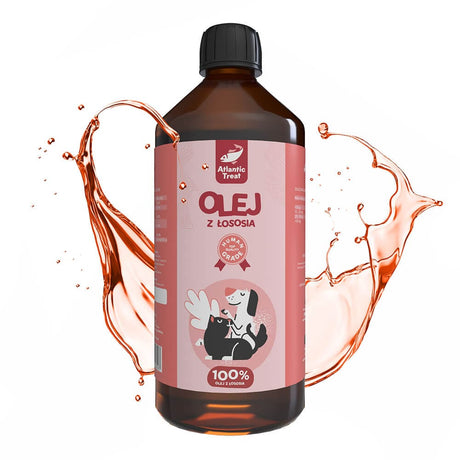


Atlantic Treat
Atlantic Treat Zalmolie 100% voor hond en kat - 1000 ml
Reguliere prijs €10.19Eenheid prijs€10.19 /l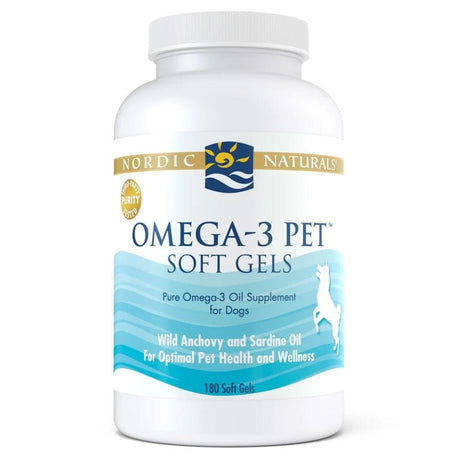
Nordic Naturals
Nordic Naturals Omega-3 huisdier - 180 softgels
Reguliere prijs €39.69Eenheid prijs€0.22 per stuk


Probiotica en darmgezondheid
Het darmmicrobioom speelt een even centrale rol in de gezondheid van dieren als in die van mensen — het beïnvloedt de immuunfunctie, de opname van voedingsstoffen, de consistentie van de ontlasting, en zelfs het gedrag. Situaties waarin het gebruik van probiotische supplementen bij huisdieren het meest wordt aanbevolen, zijn onder meer:
- Tijdens en na een TiB iotische behandeling (, aangezien TiB iotica de diversiteit van het darmmicrobioom sterk verstoren)
- Periodes van verandering in het dieet (; de overgang naar ander voer moet altijd geleidelijk gebeuren, en probiotica kunnen de overgang vergemakkelijken)
- Acute en chronische spijsverteringsstoornissen — diarree, dunne ontlasting, en IBD bij honden hebben de meeste klinische bewijzen voor het nut van probiotica
- -gerelateerde spijsverteringsstoornissen (reizen, verblijf in een kennel, vuurwerk, veranderingen in het huishouden)
- Ondersteuning van het immuunsysteem bij puppy's, kittens, en oudere dieren
Probiotische stammen die specifiek voor huisdieren zijn, verdienen de voorkeur boven formuleringen voor mensen, aangezien de overheersende gunstige bacteriën in het microbioom van honden en katten verschillen van die bij mensen. Zoek naar producten met gespecificeerde CFU-waarden ((kolonievormende eenheden)) en gedefinieerde stamidentificaties in plaats van vage etikettering als "probiotische mix".

JM Sante Pharma
JM Sante Vet Protector Gastro Mul TiB iotic voor honden en katten - 60 g
Reguliere prijs €20.79Eenheid prijs€34.65 /100g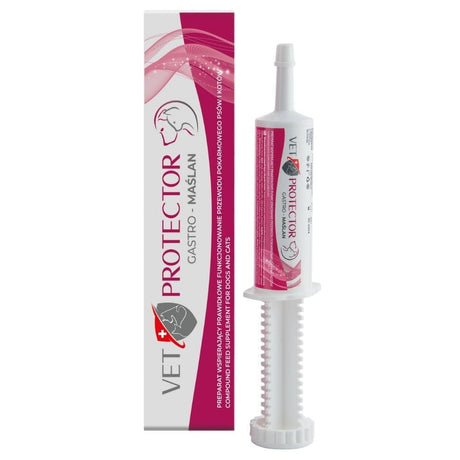
JM Sante Pharma
JM Sante Vet Protector Gastro Butyric Acid voor honden en katten - 60 ml
Reguliere prijs €18.89Eenheid prijs€31.48 /100ml

Gewrichtsondersteuning: Glucosamine, Chondroïtine, en Collageen
Musculoskeletale problemen — met name artrose — behoren tot de meest voorkomende aandoeningen bij honden, en treffen naar schatting 20% van de honden ouder dan één jaar en een aanzienlijk hoger percentage oudere dieren en dieren van grote rassen. De markt voor gewrichtssupplementen voor huisdieren is navenant groot en, gelukkig, redelijk goed onderbouwd.
De belangrijkste ingrediënten waar u op moet letten in gewrichtssupplementen voor honden:
- Glucosamine — levert substraat voor de synthese van glycosaminozuren Glycan, belangrijke structurele componenten van gewrichtskraakbeen. Goed ingeburgerd in de diergeneeskundige praktijk met een goed veiligheidsprofiel.
- Chondroïtinesulfaat — remt kraakbeenafbrekende enzymen en biedt extra structurele ondersteuning; wordt doorgaans gecombineerd met glucosamine voor een versterkend effect.
- MSM (methylsulfonylmethaan) — levert biologisch beschikbare zwavel voor kraakbeensynthese en heeft ontstekingsremmende eigenschappen.
- Gehydrolyseerd collageen — levert de aminozuurbouwstenen voor de regeneratie van de kraakbeenmatrix.
- Hyaluronzuur — een bestanddeel van gewrichtsvloeistof dat gewrichten smeert; met name relevant voor het beheersen van acute-op-chronische gewrichtsklachten.
Voor puppy's van grote rassen, is het de moeite waard om op te merken dat de calcium-fosforbalans — en niet glucosaminesuppletie — de prioriteit is voor de ontwikkeling van het skelet. Glucosamine is vooral relevant voor volwassen honden met een vastgestelde gewrichtsaandoening of met een hoog risico daarop (sportrassen, dieren met overgewicht, rassen die vatbaar zijn voor heupdysplasie).
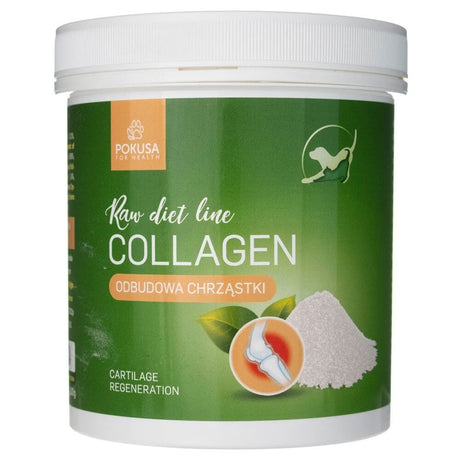


Pokusa for Health
Pokusa RAW DietLine Collageen - 200 g
Reguliere prijs €21.19Eenheid prijs€105.95 /kg


Multivitaminen en algemene ondersteuning
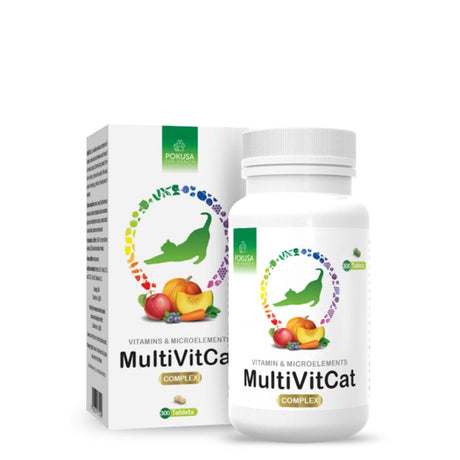
Multivitaminesupplementen voor huisdieren zijn het meest waardevol in twee contexten: als dagelijks voedingsveiligheidsnet voor dieren met zelfbereide voeding, en als aanvullende ondersteuning tijdens periodes van verhoogde behoefte (ziekte, r Ecover y, zwangerschap, intensieve sportactiviteit). Ze zijn over het algemeen minder noodzakelijk voor gezonde dieren die een goed samengesteld commercieel dieet krijgen, dat volgens de wet aan vastgestelde voedingsnormen moet voldoen.
Stem bij het kiezen van een multivitamine, het product af op de diersoort — de behoeften van katten en honden verschillen aanzienlijk, met name wat betreft taurine (, dat essentieel is voor katten, en voorwaardelijk essentieel voor honden),; vitamine A (: katten kunnen bèta-caroteen omzetten en hebben voorgevormde vitamine A), nodig en niacine (; katten kunnen dit niet uit tryptofaan) synthetiseren. Een product dat specifiek voor honden is samengesteld, mag niet aan katten worden gegeven, en vice versa.
 5% korting
Pokusa for Health
Pokusa GreenLine MultiVit Kat - 300 tabletten
Verkoopprijs €7.40 Reguliere prijs €7.79Eenheid prijs€0.02 per stuk
Kalmerende supplementen voor angst en stress
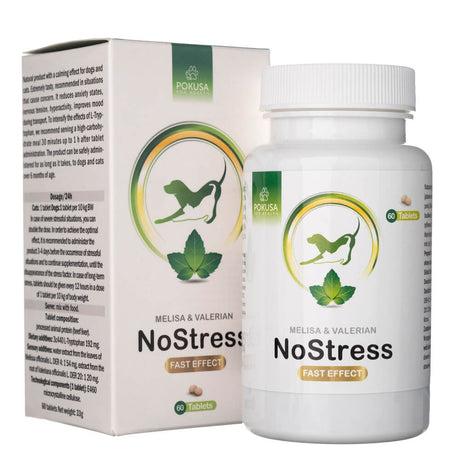
Situationele en chronische angst bij honden is een veelvoorkomend welzijnsprobleem — veroorzaakt door scheiding, harde geluiden, reizen, bezoeken aan de dierenarts, of veranderingen in de omgeving. Er zijn verschillende voedingsbenaderingen die door enig bewijs worden ondersteund, met name:
- L-theanine — een aminozuur uit groene thee met kalmerende effecten die worden gemedieerd door GABA-activiteit; een aantal kalmerende producten voor dieren gebruikt dit als hoofdingrediënt.
- Kamille, passiebloem, en valeriaan — kruiden die traditioneel worden gebruikt als anxiolytica, en die in veel commerciële kalmeringsmiddelen voor huisdieren voorkomen.
- Caseïnehydrolysaat (alfa-casozepine) — een peptide afgeleid van melkeiwit met een benzodiazepinereceptorbindend mechanisme; gebruikt in sommige kalmerende producten voor dieren.
- Melatonine — wordt gebruikt in sommige protocollen voor geluidsfobie en slaap-waakstoornissen bij honden.
Dit zijn ondersteunende maatregelen voor milde tot matige situationele angst. Aanhoudende, ernstige, of gegeneraliseerde angststoornissen bij honden vereisen een veterinaire beoordeling — gedragsmatige benaderingen en, waar nodig, voorgeschreven medicatie leveren doorgaans betere resultaten op dan alleen supplementen bij significante angststoornissen.


Pokusa for Health
Pokusa GreenLine NoStress Kalmerende tabletten - 60 tabletten
Reguliere prijs €9.19Eenheid prijs€0.15 per stuk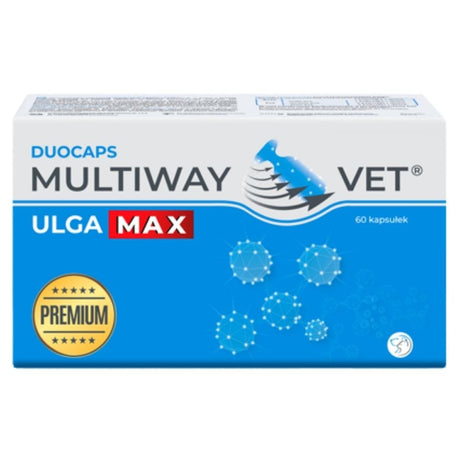
JM Sante Pharma
JM Sante Multiway Vet Duocaps Verlichting bij stress bij honden en katten - 60 capsules
Reguliere prijs €24.79Eenheid prijs€0.41 per stuk


Natuurlijke verzorging van huisdieren, meer dan alleen supplementen
Goede voeding en gerichte suppletie werken het beste in combinatie met zorgvuldige algemene verzorging. Onze collectie supplementen voor huisdieren bestrijkt de belangrijkste gezondheidscategorieën — van omega-3 vetzuren en probiotica tot ondersteuning van de gewrichten en multivitaminen — terwijl onze bredere huisdierencollectie omvat producten voor verzorging, tandverzorging, en bescherming tegen parasieten voor een complete aanpak van het welzijn van huisdieren.
Dit artikel is uitsluitend informatief en vervangt geen medisch advies. Heb je gezondheidsklachten, ben je zwanger, geef je borstvoeding of gebruik je medicijnen, raadpleeg dan een arts of apotheker. Voedingssupplementen zijn geen vervanging voor een gevarieerd voedingspatroon.


