

De opmerkelijke eigenschappen van vitamine E worden al tientallen jaren erkend. Vaak aangeduid als de vruchtbaarheidsvitamine of de jeugdvitamine, speelt het een cruciale rol in de reproductieve gezondheid — het ondersteunt de normale ontwikkeling van de foetus tijdens de zwangerschap en draagt bij aan de spermaproductie bij mannen. Als krachtige antioxidant helpt vitamine E cellen te beschermen tegen oxidatieve stress veroorzaakt door vrije radicalen, ondersteunt het de elasticiteit van de huid, draagt het bij aan een normaal gezichtsvermogen en speelt het een rol bij het behoud van een gezonde bloedsomloop. Dit uitzonderlijk brede scala aan functies geeft vitamine E een vaste plaats in zowel de gezondheidszorg als de huidverzorging. Inzicht in vitamine E — Vormen en biologische beschikbaarheid. Voordat u een vitamine E-supplement kiest, is het nuttig om te begrijpen wat u eigenlijk koopt. Vitamine E is geen enkele verbinding — het is een familie van acht verwante moleculen, verdeeld in twee groepen: vier tocoferolen (alfa, bèta, gamma, delta) en vier tocotrienolen (alfa, bèta, gamma, delta). Elke vorm heeft een eigen biologische activiteit en functioneert in verschillende delen van het lichaam.
Dit onderscheid is van cruciaal belang voor suppletie:
Natuurlijke vitamine E (d-alfa-tocoferol) is de vorm die het best door het menselijk lichaam wordt herkend en benut. Het biedt een aanzienlijk hogere biologische beschikbaarheid dan zijn synthetische tegenhanger. Supplementen met het voorvoegsel "d-" bevatten de natuurlijke vorm.
Synthetische vitamine E (dl-alfa-tocoferol) wordt in laboratoria geproduceerd en bevat een mengsel van natuurlijke en kunstmatige isomeren. Hoewel de productie goedkoper is, is slechts een fractie van de synthetische vorm biologisch actief — wat betekent dat uw lichaam er aanzienlijk minder van kan gebruiken.
Gemengde tocoferolen bieden een breder spectrum aan vitamine E-activiteit door meerdere natuurlijke tocoferolvormen te combineren. Dit komt dichter in de buurt van de manier waarop vitamine E in voedsel voorkomt en biedt een uitgebreidere bescherming tegen oxidatie.
Tocotrienolcomplexen vertegenwoordigen een nieuwer gebied van vitamine E-onderzoek. Tocotrienolen zijn bijzonder veelbelovend gebleken voor het ondersteunen van de cardiovasculaire gezondheid en het bieden van antioxidantbescherming op cellulair niveau. Ze komen minder vaak voor in supplementen, maar worden steeds meer gewaardeerd door gezondheidsbewuste consumenten.
Hoe u het beste vitamine E-supplement kiest
De markt voor vitamine E-supplementen biedt veel opties, en de kwaliteit varieert aanzienlijk. Hier zijn de belangrijkste factoren om te beoordelen:
1. Natuurlijk versus synthetisch
Geef altijd de voorkeur aan natuurlijke vitamine E (d-alfa-tocoferol of gemengde tocoferolen) boven synthetische vormen. Onderzoek toont consequent aan dat natuurlijke vitamine E effectiever in het lichaam wordt opgenomen en een sterkere biologische werking heeft. Het prijsverschil is doorgaans bescheiden in verhouding tot de kwaliteitsverbetering.
2. Volledige-spectrumformules
De meest effectieve vitamine E-supplementen zijn erop gericht om alle acht vormen van de vitamine te leveren — of op zijn minst, een mengsel van gemengde tocoferolen. Alfa-tocoferol alleen is nuttig, maar om het volledige beschermende potentieel van vitamine E te bereiken is de synergetische werking van de verschillende vormen nodig. Daarom worden supplementen die gemengde tocoferolen of tocotrienolcomplexen bevatten vaak als superieur beschouwd ten opzichte van producten met slechts één vorm.
3. Juiste dosering
De dagelijkse behoefte aan vitamine E varieert naar gelang de leeftijd en de omstandigheden:
- Kinderen — ongeveer 6 mg per dag
- Vrouwen — ongeveer 8 mg per dag (iets meer voor vrouwen die hormonale anticonceptie gebruiken)
- Mannen — ongeveer 10 mg per dag
- Ouderen (75+) — 20 tot 50 mg per dag
Vitamine E is in vet oplosbaar, wat betekent dat het wordt opgeslagen in het vetweefsel van het lichaam in plaats van via urine of zweet te worden uitgescheiden. Hoewel het moeilijk is om via de voeding alleen een overdosis te nemen, vereist suppletie aandacht voor de dosering — meer is niet altijd beter, en het overschrijden van de aanbevolen dagelijkse hoeveelheid zonder medisch advies moet worden vermeden.
4. De synergie tussen vitamine A en E
Vitamine E-supplementen worden vaak gecombineerd met vitamine A, en daar is een goede reden voor. Deze twee vitamines werken synergetisch — vitamine A ondersteunt de werking van vitamine E, en samen dragen ze bij aan het behoud van een gezonde huid, het ondersteunen van een normaal gezichtsvermogen, en het beschermen van cellen tegen oxidatieve stress. Combinatiedruppels of -capsules die beide vitamines bevatten, kunnen een praktische en effectieve keuze zijn voor dagelijkse suppletie.
5. Vorm — Softgels, Druppels, of Capsules
Vitamine E-supplementen zijn verkrijgbaar in verschillende vormen, elk met hun eigen voordelen:
- Softgels — de meest voorkomende vorm, die doorgaans vitamine E bevat, opgelost in olie voor optimale opname. Gemakkelijk te doseren en door te slikken.
- Vloeibare druppels — bieden flexibele dosering en zijn ideaal voor mensen die liever geen capsules innemen. Kan ook aan voedsel worden toegevoegd of plaatselijk op de huid worden aangebracht.
- Droge capsules (tocotriënolen) — geschikt voor mensen die de voorkeur geven aan een niet-op-olie-gebaseerde vorm, hoewel in vet oplosbare vitamines over het algemeen beter worden opgenomen met voedingsvet.
Ongeacht de vorm, neem vitamine E altijd in bij een maaltijd die wat vet bevat om een goede opname te garanderen.
Beschikbare soorten vitamine E-supplementen
Inzicht in de verschillende productcategorieën helpt u het juiste supplement te vinden dat bij uw behoeften past:
Softgels met gemengde tocoferolen bieden breedspectrum natuurlijke vitamine E in handige, goed opneembare capsules. Dit is de meest veelzijdige optie voor algemene antioxidantbescherming en dagelijks onderhoud. Verkrijgbaar in verschillende verpakkingsgroottes, geschikt voor zowel mensen die vitamine E voor het eerst proberen als voor langdurige gebruikers.
Vloeibare vitamine E biedt maximale flexibiliteit bij dosering. Druppels kunnen nauwkeurig worden afgemeten om aan individuele behoeften te voldoen, waardoor vloeibare vormen bijzonder geschikt zijn voor ouderen of iedereen die moeite heeft met het slikken van capsules. Vloeibare vitamine E kan ook rechtstreeks op de huid worden aangebracht voor lokale verzorging. Tocotrienolcomplexen vertegenwoordigen de nieuwste ontwikkeling op het gebied van vitamine E-suppletie. Terwijl de meeste traditionele supplementen zich uitsluitend richten op tocoferolen, bieden tocotrienolproducten vormen van vitamine E die unieke cardiovasculaire en cellulaire voordelen kunnen bieden die niet volledig worden gedekt door standaard alfa-tocoferolsupplementen.
Combinaties van vitamine A + E benutten de natuurlijke synergie tussen deze twee in vet oplosbare vitamines in één handig product — ideaal voor mensen die zich richten op de gezondheid van de huid, ondersteuning van het gezichtsvermogen, en uitgebreide bescherming tegen oxidatie.


Now Foods
Now Foods Vitamine E-400 met gemengde tocoferolen - 100 softgels
Reguliere prijs €14.99Eenheid prijs€0.15 per stuk


Now Foods
Now Foods Vitamine E-400 met gemengde tocoferolen - 50 softgels
Reguliere prijs €8.89Eenheid prijs€0.18 per stuk


Aliness
Aliness Tocotrienolos Complex Plus 50 mg - 60 Capsules
Reguliere prijs €15.29Eenheid prijs€0.25 per stuk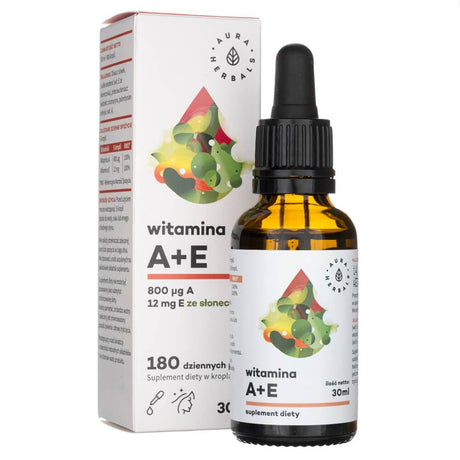


Aura Herbals
Aura Herbals Vitamine A + E druppels - 30 ml
Reguliere prijs €5.79Eenheid prijs€193.00 /l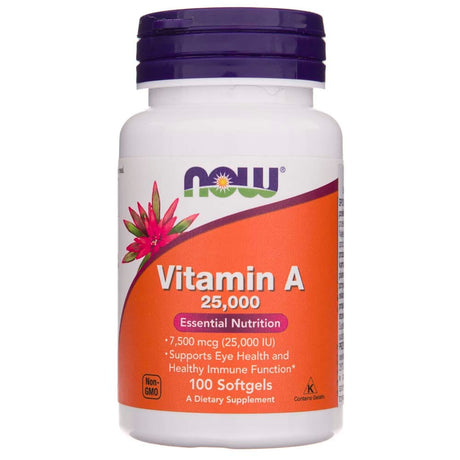


Now Foods
Now Foods Vitamine A 7500 mcg (25000 IU) - 100 softgels
Reguliere prijs €6.49Eenheid prijs€0.06 per stuk


Wie heeft het meeste baat bij vitamine E-supplementen?
Hoewel vitamine E voor iedereen belangrijk is, kunnen bepaalde groepen bijzonder baat hebben bij gerichte suppletie:
- Vrouwen die een zwangerschap plannen of momenteel zwanger zijn — vitamine E draagt bij aan een normale ontwikkeling van de foetus en wordt als essentieel beschouwd tijdens de zwangerschap. Volg tijdens deze periode altijd het medisch advies over de dosering.
- Mannen die zich zorgen maken over hun reproductieve gezondheid — voldoende vitamine E ondersteunt een normale spermatogenese en reproductieve functie.
- Oudere volwassenen — de behoefte neemt toe met de leeftijd, en de antioxiderende eigenschappen van vitamine E worden steeds waardevoller voor het beschermen van cellen tegen opgehoopte oxidatieve stress.
- Mensen die zich richten op de gezondheid van de huid — de rol van vitamine E bij de bescherming van huidcellen en het ondersteunen van de elasticiteit maakt het populair onder mensen die een jeugdige uitstraling willen behouden. Ontdek onze haar, huid- en nagelcollectie voor extra ondersteuning.
- Mensen met hoge oxidatieve stress — rokers, sporters, en mensen die worden blootgesteld aan milieuvervuiling kunnen baat hebben bij verbeterde antioxidantbescherming.
Voedingsbronnen van vitamine E
Suppletie werkt het beste in combinatie met een vitamine E-rijk dieet. De beste natuurlijke voedingsbronnen zijn onder andere zonnebloempitten, amandelen, hazelnoten, tarwekiemolie, avocado, spinazie, en broccoli. Koudgeperste plantaardige oliën — met name zonnebloemolie, saffloerolie, en tarwekiemolie — behoren tot de rijkste voedingsbronnen. Bekijk voor een assortiment hoogwaardige culinaire oliën, onze collectie bakoliën en azijnen.
Maar zelfs een evenwichtig dieet levert mogelijk onvoldoende vitamine E voor mensen met een hogere behoefte — waardoor suppletie een praktische en effectieve aanvulling is op het dagelijkse welzijn. Onze vitamine E-collectie brengt vertrouwde producten van gevestigde merken samen om u te helpen de juiste match te vinden.
De juiste vitamine E kiezen — Een samenvatting
Het beste vitamine E-supplement is er een dat natuurlijke vormen (biedt; zoek naar het voorvoegsel "d-"), idealiter als gemengde tocoferolen of een tocotrienolcomplex, in een dosering die is afgestemd op uw leeftijd, geslacht, en individuele behoeften. Vermijd waar mogelijk synthetische "dl-" vormen, neem in met een vethoudende maaltijd voor optimale opname, en overschrijd de aanbevolen dagelijkse hoeveelheden niet zonder professioneel advies. Of u nu kiest voor softgels, vloeibare druppels, of een vitamine A + E-combinatie, door kwaliteit boven prijs te stellen zorgt u ervoor dat uw lichaam daadwerkelijk gebruik kan maken van wat u inneemt.
Belangrijkste conclusie: Vitamine E is een familie van acht verbindingen, geen enkele voedingsstof. De meest effectieve supplementen maken gebruik van natuurlijke vormen (d-alfa-tocoferol, gemengde tocoferolen, of tocotriënolen) van vertrouwde merken. Neem het in met vet voor een betere opname, stem de dosis af op uw behoeften, en overweeg om het te combineren met vitamine A voor synergetische voordelen voor de huid en als antioxidant.
Dit artikel is uitsluitend informatief en vervangt geen medisch advies. Heb je gezondheidsklachten, ben je zwanger, geef je borstvoeding of gebruik je medicijnen, raadpleeg dan een arts of apotheker. Voedingssupplementen zijn geen vervanging voor een gevarieerd voedingspatroon.


