

Tuinbonen (Vicia faba) behoren tot de oudste geteelde groenten in de geschiedenis van de mensheid — en tot de meest voedzame. Ze bevatten veel plantaardige eiwitten, zijn rijk aan magnesium en B-vitamines, en zitten boordevol voedingsvezels, waardoor ze al duizenden jaren een vaste plek hebben in keukens van het Middellandse Zeegebied tot Noord-Europa. Toch vergt het bereiden ervan enige kennis. Deze gids behandelt alles: het kiezen van verse bonen, de bereiding, de bereidingstijd, twee eenvoudige recepten, en het enige wat je moet weten over de spijsvertering voordat je ze eet.
Hoe verse tuinbonen te kiezen en te bereiden
Kwaliteit begint op de markt of in de tuin. Let bij het selecteren van verse tuinbonen, op peulen die stevig, vol, en gelijkmatig groen zijn — zonder vergeling, zachte plekken, of tekenen van schimmel. Een peul die zwaar aanvoelt voor zijn grootte bevat goed ontwikkelde bonen. Vermijd alles wat er uitgedroogd uitziet of slappe, verwelkte peulen heeft; deze bonen zullen zetmeelachtig en smaakloos zijn in plaats van zoet en romig.
De bereiding is eenvoudig. Open elke peul door langs de naad te drukken en de bonen eruit te laten springen — ze zouden er gemakkelijk uit moeten komen. Of je de buitenste schil van de individuele boon (of het lichtgrijsgroene vliesje rond elke boon) verwijdert, is een kwestie van voorkeur en het beoogde gebruik:
- Laat het vlies zitten voor soepen, stoofschotels, en rustieke salades — het vlies wordt zacht tijdens het koken en voegt een licht aardse, diepe smaak toe.
- Verwijder de schil (, ook wel 'double-podding' genoemd), voor dipsauzen, pastagerechten, en alles waarbij een heldergroene kleur en zijdezachte textuur belangrijk zijn. Blancheer ze eerst, en knijp vervolgens elke boon uit de schil — het kost een paar minuten, maar het resultaat is verbluffend.
Hoe tuinbonen te bereiden: timing en methoden
De meest voorkomende fout is te lang koken. Tuinbonen die te lang in kokend water hebben gelegen, worden grijs, melig, en smakeloos. Het doel is om het moment te vinden waarop ze gaar zijn maar nog steeds hun vorm behouden — en waarbij ze hun levendige groene kleur behouden.
Koken (de standaardmethode)
- Breng een grote pan water aan de kook. Voeg pas zout toe als het water kookt — zout in koud water kan de schil van de bonen taai maken.
- Voeg de gedopte bonen toe en kook ze zonder deksel.
- Als ze gaar zijn, giet ze dan onmiddellijk af en doe ze 30–60 seconden in een kom met ijskoud water. Dit stopt het kookproces en zorgt ervoor dat de groene kleur behouden blijft.
Kooktijden:
- Kleine, jonge bonen: 5–7 minuten
- Grotere, meer volgroeide bonen: 10–15 minuten
Stomen (Het beste voor het behoud van voedingsstoffen)
Stomen is de beste methode als u zoveel mogelijk van de voedingswaarde wilt behouden. In water oplosbare vitamines — met name vitamine C en de B-vitamines die rijkelijk aanwezig zijn in tuinbonen — lekken tijdens het traditionele koken in het kokende water. Door te stomen wordt dit verlies bijna volledig voorkomen.
Doe de gedopte bonen in een stoommandje boven zacht kokend water, dek af, en kook:
- Kleine, jonge bonen: 10–12 minuten
- Grotere, meer volgroeide bonen: 15–20 minuten
Blancheren (Het beste voor bereiding in grote hoeveelheden en invriezen)
Blancheren — kort koken gevolgd door onmiddellijke onderdompeling in koud water — is de methode die u moet gebruiken als u bonen van tevoren klaarmaakt, om ze in te vriezen, of om ze dubbel te doppen. Het stopt de enzymatische processen die voedingsstoffen en kleur afbreken, waardoor u een kant-en-klaar ingrediënt krijgt dat 2–3 dagen goed blijft in de koelkast of enkele maanden in de vriezer.
Eenvoudig recept voor tuinbonen met olijfolie en knoflook
Dit is het soort recept dat bewijst dat eenvoud werkt. Vier of vijf ingrediënten, twintig minuten, en een resultaat dat echt naar het seizoen smaakt.
Ingrediënten (voor 2–3 personen)
- 500 g verse tuinbonen, gedopt
- 2 eetlepels extra-olijfolie
- 2 teentjes knoflook, fijngehakt
- Zout en versgemalen zwarte peper
- Citroensap of versgehakte peterselie of dille (optioneel)
Bereiding
- Kook de bonen door ze te koken of te stomen zoals hierboven beschreven. Giet ze af en laat ze kort afkoelen in koud water.
- Meng in een grote kom, de warme bonen met de olijfolie en knoflook. De restwarmte verzacht de scherpe smaak van de knoflook zonder deze volledig te garen.
- Breng royaal op smaak met zout en peper. Voeg een scheutje citroensap toe voor frisheid of strooi er verse kruiden overheen indien gewenst.
- Serveer warm, op kamertemperatuur, of gekoeld — alle drie de manieren zijn lekker.
Gebakken tuinbonen
Het bakken van gekookte tuinbonen levert iets heel anders op: een licht gekarameliseerde buitenkant met een romige binnenkant. Als je de schil erop laat zitten, wordt deze knapperig in de olie en zorgt voor een aantrekkelijk contrast in textuur — een beetje als een miniatuurversie van een gebakken aardappel. Als je de voorkeur geeft aan de zijdezachte textuur van bonen zonder velletje, pel ze dan dubbel voordat je ze bakt.
- Kook de bonen eerst – ze moeten helemaal gaar zijn voordat ze in de pan gaan. Giet ze af en droog ze goed af op een schone doek; overtollig vocht zorgt ervoor dat de olie gaat spetteren.
- Verhit een dun laagje olijfolie in een brede koekenpan op middelhoog vuur tot het glinstert.
- Voeg de bonen in een enkele laag toe en bak ze, af en toe roerend, gedurende 5–7 minuten tot de schiljes beginnen te blazen en kleur krijgen.
- Breng op smaak met zout, zwarte peper, en eventueel een beetje gerookte paprikapoeder of gemalen chilipeper voor een interessanter smaakprofiel. Een klein beetje fijngehakte knoflook dat in de laatste minuut wordt toegevoegd, zorgt voor meer diepte zonder dat het verbrandt.
Gebakken tuinbonen zijn heerlijk als warm tussendoortje, door de pasta gemengd of als eiwitrijke toevoeging aan een zomerse salade.
Extra kooktips
- Kook ze niet te lang — melige, grijze tuinbonen behoren tot de meest teleurstellende dingen in een zomerkeuken.
- Voeg pas zout toe aan het water als het kookt.
- Bewaar gekookte bonen in een luchtdichte bak in de koelkast tot maximaal 3 dagen.
- Om in te vriezen: blancheer, droog ze grondig, en vries ze in een enkele laag in voordat je ze in een zak doet. Ze blijven enkele maanden goed en hoeven niet te worden ontdooid voor gebruik.
Kun je tuinbonen rauw eten?
Technisch gezien wel — zeer jonge, kleine tuinbonen kunnen rauw worden gegeten, en in sommige mediterrane tradities gebeurt dit, vaak met zout en een beetje pecorino. Rauwe tuinbonen bevatten echter lectines en andere natuurlijk voorkomende stoffen die spijsverteringsklachten kunnen veroorzaken en in grotere hoeveelheden problematisch kunnen zijn. Deze stoffen worden effectief geneutraliseerd door ze te koken. Als algemene regel geldt: kook ze en je hoeft je geen zorgen te maken.
Tuinbonen als voedzame voedingsbron
Naast hun smaak onderscheiden tuinbonen zich qua voedingswaarde van andere groenten. Een portie van 100 g gekookte tuinbonen levert ongeveer 8 g plantaardige eiwitten, aanzienlijke hoeveelheden magnesium en kalium, foliumzuur, ijzer en voedingsvezels. Dit maakt ze tot een van de meest voedzame plantaardige voedingsmiddelen die in een Europees klimaat groeien.
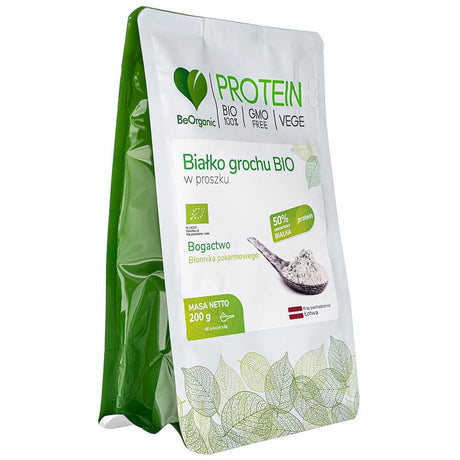
Dat gezegd hebbende, dienen voedingsbronnen en supplementen verschillende doelen. Voeding levert voedingsstoffen in hun natuurlijke voedingsmatrix; supplementen maken een gerichte, consistente dosering mogelijk wanneer voeding alleen niet Enough. Voor degenen die een plantaardig dieet volgen en een adequate inname van belangrijke voedingsstoffen willen garanderen, kunnen plantaardige eiwitsupplementen op een praktische manier een aanvulling vormen op hele voedingsmiddelen zoals tuinbonen — met name voor actieve personen met een hogere eiwitbehoefte.


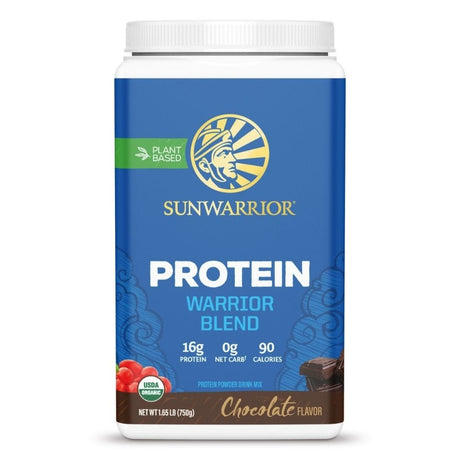
Sunwarrior
Sunwarrior Warrior Blend Protein, Chocolade, USA - 750 g
Reguliere prijs €48.49Eenheid prijs€64.65 /kg
BioTech USA
BioTech USA Vegan Protein, Vanillecake smaak - 2000 g
Reguliere prijs €74.90Eenheid prijs€37.45 /kg


Een opmerking over spijsverteringscomfort
Tuinbonen, bevatten, net als andere peulvruchten, oligosachariden — complexe koolhydraten die niet in de dunne darm worden afgebroken en in de dikke darm fermenteren, wat bij sommige mensen een opgeblazen gevoel en winderigheid kan veroorzaken. Dit is een heel normale fysiologische reactie, geen teken van intolerantie, en het neemt doorgaans af naarmate de consumptie van peulvruchten regelmatiger wordt en de darmbacteriën zich aanpassen.
Praktische stappen die kunnen helpen: gedroogde bonen weken voor het koken (minder relevant bij verse bonen), grondig koken, en de inname van peulvruchten niet in één keer drastisch verhogen. Voor degenen die de vertering van peulvruchten moeilijk vinden, kunnen supplementen met spijsverteringsenzymen — met name die welke alfa-galactosidase bevatten, het enzym dat de relevante oligosachariden afbreekt — het overwegen waard zijn. Onze collectie voor het spijsverteringsstelsel omvat een reeks enzym- en probiotische producten die zijn ontworpen om een gezonde darmfunctie te ondersteunen.


Now Foods
Now Foods Plantaardige Enzymn - 120 plantaardige capsules
Reguliere prijs €16.79Eenheid prijs€0.14 per stuk


Aliness
Aliness Enzym Complex PRO - 90 plantaardige capsules
Reguliere prijs €11.49Eenheid prijs€0.13 per stuk


Aliness
Aliness MULTI Enzym Complex PRO - 90 plantaardige capsules
Reguliere prijs €13.49Eenheid prijs€0.15 per stuk


Voor wie de bredere wereld van plantaardige voeding wil verkennen, onze De collectie 'gezonde voeding en voedingssupplementen' brengt een breed scala aan producten samen die geschikt zijn voor een op onbewerkte voeding, en plantaardige producten gerichte benadering van eten.
Dit artikel is uitsluitend informatief en vervangt geen medisch advies. Heb je gezondheidsklachten, ben je zwanger, geef je borstvoeding of gebruik je medicijnen, raadpleeg dan een arts of apotheker. Voedingssupplementen zijn geen vervanging voor een gevarieerd voedingspatroon.


