

Cholesterol wordt over het algemeen gezien als iets dat men moet vermijden, maar de werkelijkheid is genuanceerder. Het is een essentiële stof die het lichaam echt nodig heeft — het draagt bij aan de hersenfunctie, is nodig voor de aanmaak van vitamine D3, en vormt een structureel onderdeel van elk celmembraan. Het probleem is niet cholesterol zelf, maar het behouden van de juiste balans tussen de twee belangrijkste fracties ervan. LDL-cholesterol (, vaak 'slecht' cholesterol genoemd), draagt bij aan de opbouw van arteriële plaques en de vernauwing van bloedvaten — een proces dat bekend staat als atherosclerose, en dat uiteindelijk kan leiden tot een hartaanval of beroerte. HDL-cholesterol, daarentegen, helpt overtollig cholesterol uit de slagaders weg te transporteren en terug naar de lever voor verwerking. Een routinebloedtest kan uw totale cholesterolgehalte en de afzonderlijke LDL- en HDL-fracties aan het licht brengen — een eenvoudige en belangrijke gezondheidscontrole, vooral vanaf de middelbare leeftijd.
Wat verhoogt het LDL-gehalte?
Voeding is de meest voor de hand liggende factor: voedingsmiddelen met veel verzadigde vetten en transvetten — bewerkte vleeswaren, volle zuivelproducten, gefrituurd voedsel, en fastfood — hebben de neiging het LDL-cholesterol te verhogen. Maar levensstijl speelt een even belangrijke rol. Lichaamsgewicht, mate van lichaamsbeweging, roken, en chronische stress beïnvloeden allemaal de cholesterolbalans. Genetische aanleg speelt ook een rol — familiaire hypercholesterolemie is een veelvoorkomende erfelijke aandoening die leidt tot een constant verhoogd LDL-gehalte, ongeacht het dieet. Het goede nieuws is dat voor de meeste mensen, een combinatie van veranderingen in het voedingspatroon, meer lichaamsbeweging, en gerichte suppletie een zinvolle ondersteuning kan bieden voor een gezond cholesterolgehalte. Hieronder staan enkele van de meest onderzochte natuurlijke opties.
Knoflook – Allicine tegen atherosclerose
Knoflook (Allium sativum) wordt al duizenden jaren medicinaal gebruikt, en de cardiovasculaire voordelen ervan behoren tot de meest grondig bestudeerde in modern onderzoek. De belangrijkste werkzame stof is allicine — dat ontstaat wanneer knoflook wordt geplet of fijngehakt — waarvan is aangetoond dat het anti-atherosclerotische effecten heeft en kan helpen het LDL-cholesterolgehalte te verlagen. Knoflook bevat ook waterstofsulfide, wat bijdraagt aan vasculaire ontspanning. Geripte knoflookextract en knoflookolie-softgels zijn de voorkeursvormen van supplementen: ze behouden de heilzame zwavelverbindingen terwijl ze de karakteristieke geur van rauwe knoflook minimaliseren, waardoor consistent dagelijks gebruik veel praktischer is.
Rode gistrijst – Monacoline K en cholesterolsynthese
Rode gistrijst wordt geproduceerd door rijst te fermenteren met Monascus purpureus schimmel, een proces dat monacoline K genereert — een natuurlijk voorkomende verbinding die werkt volgens hetzelfde mechanisme als statinegeneesmiddelen: het remmen van HMG-CoA-reductase, het enzym dat verantwoordelijk is voor de cholesterolsynthese in de lever. Klinische studies in China met patiënten met coronaire hartziekte toonden een significante verlaging van het LDL-cholesterol aan bij passende doses monacoline K. Het effectieve bereik wordt over het algemeen beschouwd als 2,5–10 mg monacoline K per dag, dus bij het kiezen van een supplement met rode gistrijst is het belangrijk om het gestandaardiseerde gehalte aan monacoline K per portie te controleren in plaats van het totale gewicht van de rijst.
Hier zijn enkele zorgvuldig geselecteerde supplementen die een gezond cholesterolgehalte kunnen ondersteunen:


Aura Herbals
Aura Herbals Rode Rijst + Artisjok - 60 Capsules
Reguliere prijs €8.09Eenheid prijs€0.13 per stuk


Vitaler's
Vitaler's Gefermenteerde Rode Rijst - 60 Capsules
Reguliere prijs €6.39Eenheid prijs€0.11 per stuk
Medica Herbs
Medica Herbs Gefermenteerde Rode Rijst + Artisjok 260 mg - 80 Capsules
Reguliere prijs €5.09Eenheid prijs€0.06 per stuk


Now Foods
Now Foods Knoflookolie 1500 mg - 100 softgels
Reguliere prijs €5.79Eenheid prijs€0.06 per stuk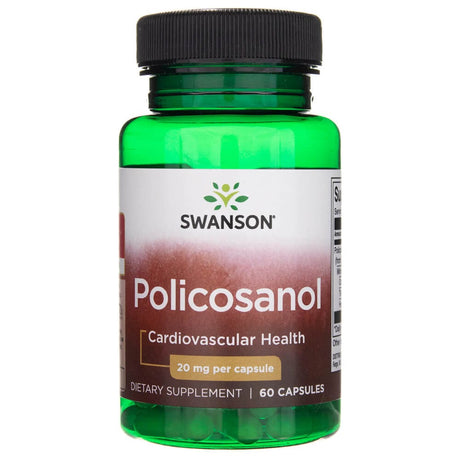


Lijnzaad – Lignanen en omega-3 vetzuren voor een evenwichtige vetbalans
Lijnzaad (Linum usitatissimum) ondersteunt de regulering van het cholesterolgehalte via twee verschillende mechanismen. Ten eerste, is het rijk aan lignanen — plantaardige polyfenolen die de opname van cholesterol kunnen remmen en de oxidatie van LDL kunnen verminderen, het proces dat LDL-deeltjes bijzonder schadelijk maakt voor de slagaderwanden. Ten tweede, is lijnzaadolie een van de rijkste plantaardige bronnen van alfa-linoleenzuur (ALA), een plantaardig omega-3-vetzuur met ontstekingsremmende eigenschappen. Onderzoek, waaronder studies waarnaar professor Suzanne Hendrich, verwijst, suggereert dat een consistente suppletie met lijnzaad gedurende ongeveer 12 weken kan bijdragen aan een significante verlaging van het LDL-gehalte. Lijnzaad is verkrijgbaar als koudgeperste olie (de handigste vorm voor dagelijks gebruik), gemalen zaden om aan voedsel toe te voegen, en capsules.
Mariadistel – Anti-atherosclerotisch en leverbeschermend
Mariadistel (Silybum marianum) heeft de afgelopen jaren aanzienlijke erkenning gekregen in de mainstream, en met goede reden. De werkzame stoffen – gezamenlijk bekend als silymarine – hebben ontstekingsremmende en antioxiderende eigenschappen die de oxidatieve processen vertragen die betrokken zijn bij de vorming van LDL-cholesterol en de ontwikkeling van arteriële plaque. Daarom neemt mariadistel een prominente plaats in bij natuurlijke anti-atherosclerotische formules en in supplementen die specifiek gericht zijn op het handhaven van gezonde LDL-waarden. Naast de cholesterolgerelateerde effecten, is mariadistel ook een goed onderbouwd levertonicum — wat hier relevant is omdat de lever verantwoordelijk is voor de synthese en afvoer van cholesterol, dus het ondersteunen van de levergezondheid is een indirecte maar betekenisvolle bijdrage aan de lipidenbalans.
Berberine – Een plantaardige stof met aanzienlijk onderzoek erachter
Berberine, dat voorkomt in verschillende planten, waaronder berberis (Berberis aristata), is een van de meest intensief onderzochte natuurlijke stoffen voor de metabole en cardiovasculaire gezondheid. Studies suggereren dat het AMPK kan activeren — een enzym dat betrokken is bij het energiemetabolisme — en PCSK9 kan remmen, een eiwit dat het vermogen van de lever vermindert om LDL uit de bloedbaan te verwijderen. Het resultaat is een significante verlaging van LDL-cholesterol en triglyceriden in meerdere klinische onderzoeken. Berberine wordt vaak genoemd als een natuurlijk alternatief voor statines bij een lichte tot matige verhoging van het cholesterolgehalte, hoewel de bewijsbasis, hoewel groeiende, nog niet op hetzelfde niveau ligt als die van farmaceutische interventies.
Ontdek ons volledige assortiment van lipidenondersteunende supplementen, waaronder omega-3's, berberine, en combinatieformules, in onze collectie cardiovasculaire supplementen:


Now Foods
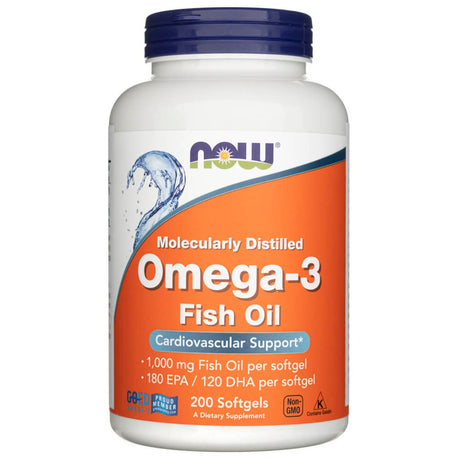
Now Foods Omega-3, 180 EPA / 120 DHA - 200 softgels
Reguliere prijs €17.59Eenheid prijs€0.09 per stuk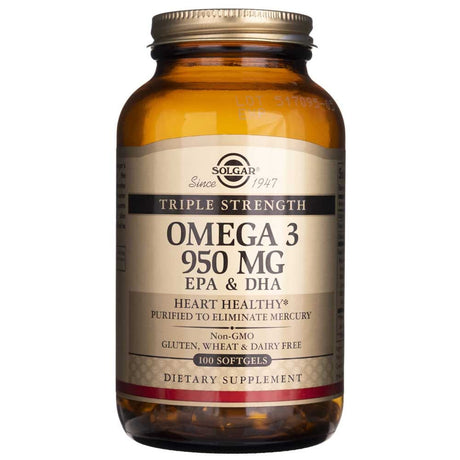


Solgar
Solgar Triple Strength Omega 3 950 mg - 100 softgels
Reguliere prijs €40.29Eenheid prijs€0.40 per stuk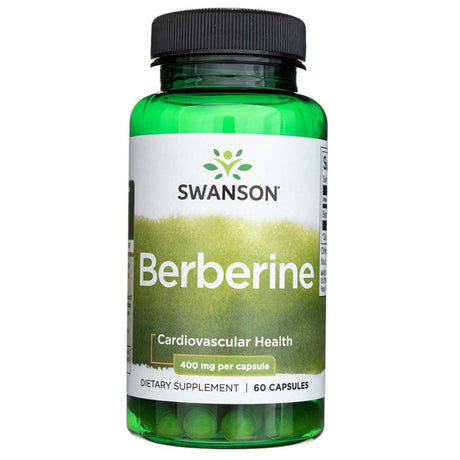


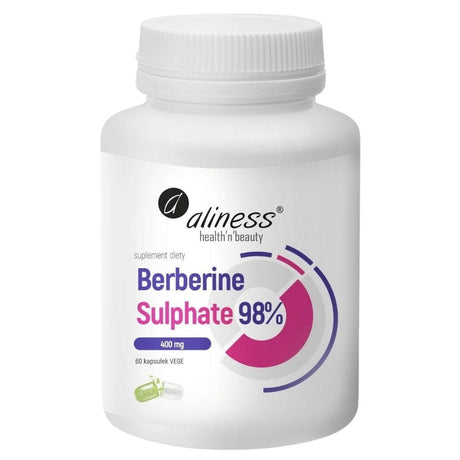
Aliness
Aliness Berberinesulfaat 98% 400 mg - 60 Capsules
Reguliere prijs €16.29Eenheid prijs€0.27 per stuk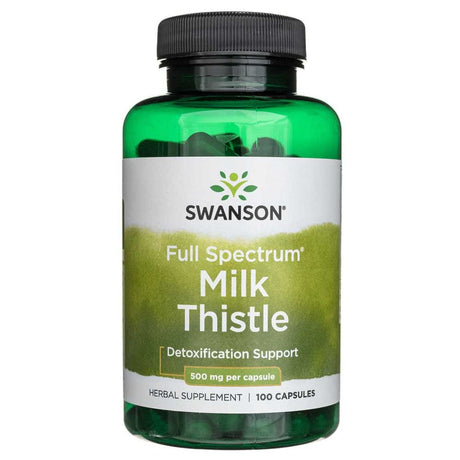


Swanson
Swanson Volledige Spectrum Mariadistel 500 mg - 100 Capsules
Reguliere prijs €5.09Eenheid prijs€0.05 per stuk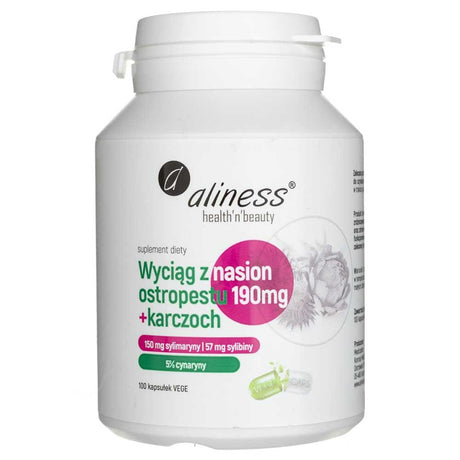


Aliness
Aliness Mariadistelzaadextract + Artisjok - 100 plantaardige capsules
Reguliere prijs €10.89Eenheid prijs€0.11 per stuk


Now Foods
Now Foods Cholesterol Pro - 120 tabletten
Reguliere prijs €48.09Eenheid prijs€0.40 per stuk


Op natuurlijke wijze een gezond cholesterolgehalte ondersteunen
Geen van de hier besproken natuurlijke benaderingen is een snelle oplossing, en ze werken het beste als onderdeel van een bredere strategie die bestaat uit een dieet met minder verzadigd vet, regelmatige lichaamsbeweging, stressbeheersing, en het vermijden van roken. Voor mensen met een aanzienlijk verhoogd LDL-gehalte of een vastgestelde hart- en vaatziekte, kunnen deze supplementen het beste worden gebruikt als aanvulling op — en niet als vervanging van — medische behandeling. Voor mensen met normale tot grenswaarden die preventief gezonde lipidenwaarden willen behouden, is het bewijs voor knoflook, lijnzaad, mariadistel, rode gistrijst, berberine, en omega-3 vetzuren echt overtuigend. Bekijk onze visolie- en omega-3-collectie voor een ruime keuze aan EPA/DHA-supplementen van vertrouwde merken, waaronder Nordic Naturals, Now Foods, en Solgar.
Dit artikel is uitsluitend informatief en vervangt geen medisch advies. Heb je gezondheidsklachten, ben je zwanger, geef je borstvoeding of gebruik je medicijnen, raadpleeg dan een arts of apotheker. Voedingssupplementen zijn geen vervanging voor een gevarieerd voedingspatroon.


