

De warme maanden nodigen ons uit om naar buiten te gaan — naar parken, bossen, en groene ruimtes in heel Europa. Maar die vrijheid brengt ook een zorgwekkend onderwerp met zich mee: teken en de ziekten die ze kunnen overbrengen. De ziekte van Lyme, medisch bekend als Lyme-borreliose, is misschien wel de meest besproken door teken overgedragen ziekte — en ook de meest verkeerd begrepen. Door verkeerde informatie is er een wolk van angst rond ontstaan die voor veel mensen het plezier uit een uitstapje in de buitenlucht haalt. Laten we eens kijken wat de wetenschap er eigenlijk over zegt, feit van fictie scheiden en bespreken wat echt helpt.
Wat is de ziekte van Lyme — en hoe verspreidt deze zich eigenlijk?
De ziekte van Lyme is een bacteriële infectie veroorzaakt door Borrelia burgdorferi, die wordt overgedragen door de beet van bepaalde besmette teken — voornamelijk Ixodes ricinus in Europa. Het wordt niet overgedragen door muggen, vliegen, of andere insecten. Cruciaal is, dat niet elke teek besmet is: afhankelijk van de regio, variëren de besmettingspercentages in tekenpopulaties doorgaans van ongeveer 5% tot 30%. Dat betekent dat de overgrote meerderheid van de tekenbeten helemaal geen risico op de ziekte van Lyme met zich meebrengt.
Zelfs wanneer een teek besmet is, vindt de overdracht niet onmiddellijk plaats. Onderzoek toont consequent aan dat de bacterie ten minste 24 tot 48 uur nodig heeft om vanuit de darmen van de teek in de bloedbaan van de gastheer terecht te komen. Dit is een van de belangrijkste en te weinig genoemde feiten over de ziekte van Lyme: het snel verwijderen van een teek vermindert het risico op infectie aanzienlijk. Het grondig controleren van uw huid na een verblijf in de natuur en het snel verwijderen van eventuele vastzittende teken blijft de meest effectieve persoonlijke beschermingsmaatregel.
Veelvoorkomende mythes over de ziekte van Lyme — eerlijk beantwoord
Mythe 1: "Elke tekenbeet leidt tot de ziekte van Lyme." Dit is niet juist. De meeste tekenbeten leiden niet tot een infectie. De teek moet besmet zijn, lang vastzitten Enough, en de immuunrespons van de gastheer speelt ook een rol. De kans dat je de ziekte van Lyme krijgt door één enkele tekenbeet in Europa wordt gemiddeld geschat op ruim onder de 5%.
Mythe 2: "Je ziet altijd de ringvormige uitslag." De zich uitbreidende roodachtige uitslag die bekend staat als erythema migrans (EM) is inderdaad een kenmerkend symptoom — maar deze verschijnt in ongeveer 70–80% van de gevallen, en neemt niet altijd het klassieke ringpatroon aan. Sommige mensen ontwikkelen een gelijkmatig rode ovale uitslag of helemaal geen zichtbare uitslag. De afwezigheid van een uitslag betekent daarom niet dat er geen infectie is.
Mythe 3: "De ziekte van Lyme is ongeneeslijk." Wanneer de diagnose in een vroeg stadium wordt gesteld, reageert Lyme-borreliose goed op een standaardkuur met TiB antibiotica. De overgrote meerderheid van de patiënten die tijdig en adequaat worden behandeld, geneest volledig. Het verhaal van een chronische, onbehandelbare aandoening geldt voor een zeer kleine subgroep van gevallen en blijft een omstreden gebied van medisch onderzoek — het mag niet worden gegeneraliseerd naar alle patiënten.
Mythe 4: "Natuurlijke remedies kunnen de ziekte van Lyme genezen." Deze is echt gevaarlijk. Antibiotica zijn de enige op bewijs gebaseerde behandeling voor Lyme-borreliose. Het uitstellen van medische behandeling ten gunste van kruiden- of alternatieve protocollen zorgt ervoor dat de bacterie zich kan verspreiden en leidt tot aanzienlijk slechtere uitkomsten. Supplementen kunnen de algemene gezondheid van het immuunsysteem ondersteunen en r Ecover y, maar ze behandelen de onderliggende bacteriële infectie niet.
Tekenpreventie: praktische stappen die echt werken
Het goede nieuws is dat het niet ingewikkeld is om jezelf effectief te beschermen. Het dragen van kleding met lange mouwen en broeken in bosrijke of met gras begroeide gebieden, het instoppen van broeken in sokken, en het gebruik van insectenwerende middelen met bewezen werkzame stoffen zoals DEET of icaridin verminderen de kans dat een teek zich vasthecht aanzienlijk. Neem na elke buitenactiviteit in de natuur, een paar minuten de tijd om je huid te controleren — vooral achter de knieën, in de liesstreek, rond de navel, achter de oren, en op de hoofdhuid.
Ons assortiment voor bescherming tegen insecten en teken omvat zowel plaatselijk aan te brengen afweermiddelen als elektronische ultrasone apparaten, en biedt opties voor volwassenen, kinderen, en huisdieren. Dit zijn echt nuttige hulpmiddelen — geen vervanging voor waakzaamheid, maar een praktische extra beschermingslaag tijdens de warmere maanden.
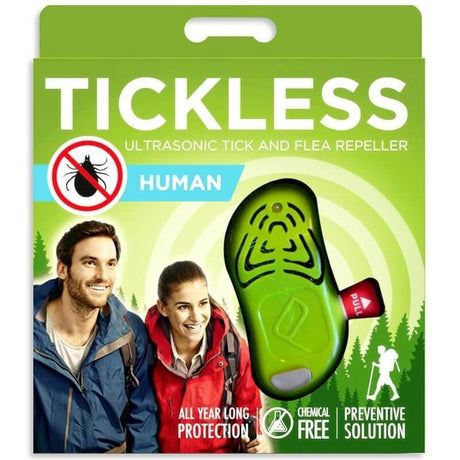


Tickless
Tickless Menselijk Ultrasoon tekenafweermiddel - Groen
Reguliere prijs €41.39Eenheid prijs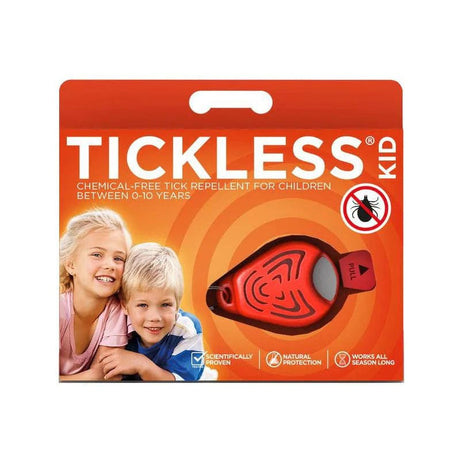

 5% korting
Tickless
Tickless Ultrasoon tekenwerend middel voor kinderen - Oranje
Verkoopprijs €32.82 Reguliere prijs €34.59Eenheid prijs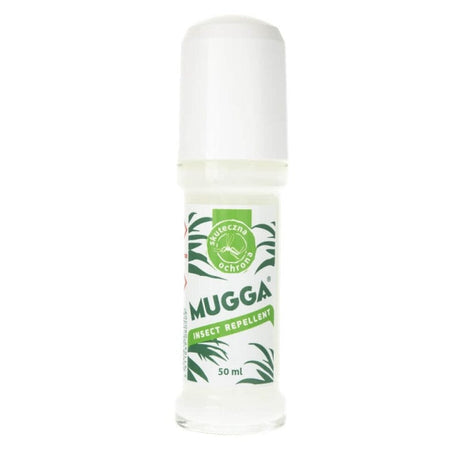

Mugga
Mugga Roll-On 20% DEET, insectenwerend middel - 50 ml
Reguliere prijs €6.49Eenheid prijs€12.98 /100ml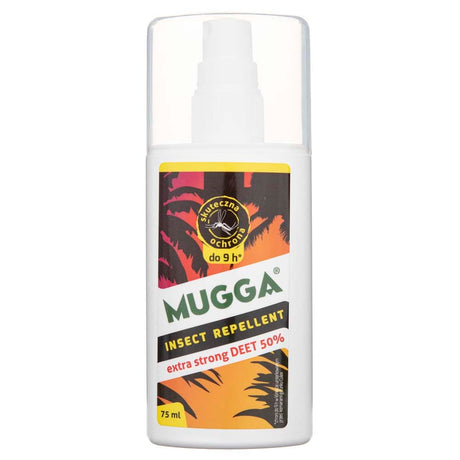


Mugga
Mugga Spray 50% DEET, insectenwerend middel - 75 ml
Reguliere prijs €9.89Eenheid prijs€13.19 /100ml


Ondersteuning van het immuunsysteem: Wat kunnen supplementen eigenlijk doen?
Hoewel geen enkel supplement medische behandeling vervangt, is het het hele jaar door ondersteunen van uw immuunsysteem een verstandige aanpak voor iedereen die tijd buiten doorbrengt. Een goed functionerend immuunsysteem is beter toegerust om een eerste reactie op infecties in het algemeen op te zetten — en het herstel van welke ziekte dan ook verloopt doorgaans soepeler wanneer het lichaam in goede voedingsconditie verkeert.
Vitamine C draagt bij aan de normale werking van het immuunsysteem, en zink is essentieel voor het behoud van een normale immuunafweer. Beta-glucanen zijn onderzocht op hun rol bij het ondersteunen van de immuunparaatheid, terwijl plantaardige stoffen zoals quercetine interessant zijn vanwege hun antioxiderende eigenschappen. Echinacea wordt van oudsher gebruikt om het lichaam te ondersteunen tijdens periodes van verhoogde blootstelling aan ziekteverwekkers. U vindt een brede selectie van deze en aanverwante producten in onze collectie immuunsysteem-supplementen, evenals in onze kruidenassortiment voor wie de voorkeur geeft aan plantaardige opties.
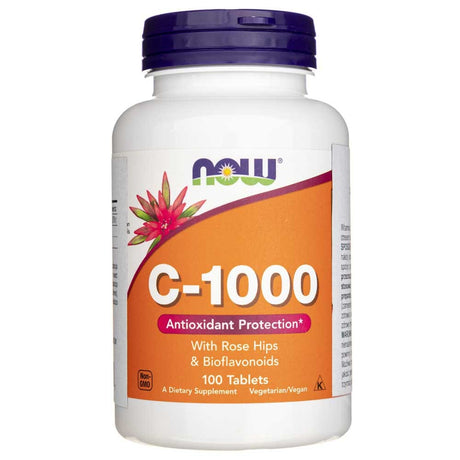


Now Foods
Now Foods Vitamine C-1000 met Rozenbottels & Bioflavonoïden - 100 tabletten
Reguliere prijs €9.69Eenheid prijs€0.10 per stuk


Now Foods
Now Foods Beta-Glucanen met ImmunEnhancer, Extra Sterkte - 60 plantaardige capsules
Reguliere prijs €15.69Eenheid prijs€0.26 per stuk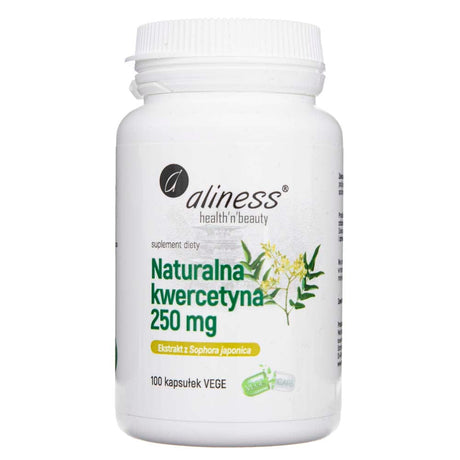


Aliness
Aliness Natuurlijke Quercetine 250 mg - 100 plantaardige capsules
Reguliere prijs €15.49Eenheid prijs€0.15 per stuk


Now Foods
Now Foods Echinacea 400 mg - 100 plantaardige capsules
Reguliere prijs €9.19Eenheid prijs€0.09 per stuk


Aliness
Aliness Wilde Oregano-olie STRONG 100% Natuurlijk - 90 capsules
Reguliere prijs €10.89Eenheid prijs€0.12 per stuk


De conclusie: Wees minder bang, Wees beter voorbereid
De ziekte van Lyme is een reële aandoening die serieus genomen moet worden — maar niet irrationeel gevreesd. De risico's zijn beheersbaar, de meest voorkomende uitkomsten bij vroege behandeling zijn goed, en de beschermende maatregelen die u kunt nemen zijn eenvoudig. Regelmatig controleren op teken na activiteiten in de buitenlucht, eventuele teken onmiddellijk verwijderen, en weten op welke symptomen u moet letten, geeft u een solide basis voor bescherming. Als er toch symptomen optreden na een tekenbeet, ga dan vroeg naar de dokter — dan is dat het belangrijkst.
Genieten van bossen, parken, en de natuur hoort bij een gezond leven. Met de juiste kennis en een paar praktische gewoontes, kan dat zo blijven.
Dit artikel is uitsluitend informatief en vervangt geen medisch advies. Heb je gezondheidsklachten, ben je zwanger, geef je borstvoeding of gebruik je medicijnen, raadpleeg dan een arts of apotheker. Voedingssupplementen zijn geen vervanging voor een gevarieerd voedingspatroon.


