

Magnesium speelt een rol bij meer dan 300 biochemische reacties in het menselijk lichaam — en de meeste mensen in Europa krijgen er te weinig van binnen. Vermoeidheid, spierkrampen, slaapstoornissen en een lage stresstolerantie behoren tot de meest herkenbare tekenen van een tekort, maar omdat de symptomen niet-specifiek zijn, blijft de onderliggende oorzaak vaak maanden of jaren onopgemerkt. Magnesiumchloride is een van de meest biologisch beschikbare en veelzijdige magnesiumverbindingen die er zijn — hier leest u hoe het werkt en hoe u het effectief kunt gebruiken.
Waarom magnesium belangrijk is
Magnesium neemt deel aan de energieproductie (ATP-synthese), eiwit- en nucleïnezuursynthese, en de regulering van de osmotische bloeddruk. Het ondersteunt de spierfunctie, draagt bij aan een normale overdracht van zenuwimpulsen, en speelt een rol bij het handhaven van de elektrolytenbalans. De effecten ervan op het geheugen, concentratie, en stemming worden steeds beter gedocumenteerd. Belangrijk is dat het lichaam alleen de geïoniseerde vorm van magnesium gebruikt — en ondanks dat het mineraal in veel voedingsmiddelen aanwezig is, blijkt uit onderzoek dat slechts 15–30% van het magnesium uit de voeding daadwerkelijk wordt opgenomen. Dat tekort is de reden waarom suppletie zo algemeen relevant is geworden.
Wat is magnesiumchloride?
Magnesiumchloride (MgCl₂) is een anorganisch magnesiumzout dat bestaat uit één magnesiumion en twee chloride-ionen. Het komt van nature voor in zeewater en wordt commercieel gewonnen door verdamping — het meest waardevol uit bronnen met een hoge magnesiumconcentratie, zoals de Dode Zee, waarvan het water tot 50,8% magnesium bevat, vergeleken met ongeveer 3,7% in standaard zeewater.
Van de anorganische magnesiumverbindingen, heeft magnesiumchloride een van de hoogste absorptiesnelheden. Het is sterk hygroscopisch — wat betekent dat het gemakkelijk water absorbeert — wat bijdraagt aan de uitstekende wateroplosbaarheid en biologische beschikbaarheid. Het wordt meestal aangetroffen in de vorm van kleine kristallijne vlokken, een natuurlijk resultaat van het kristallisatieproces dat bij de productie wordt gebruikt. Bekijk ons volledige assortiment magnesiumsupplementen voor beschikbare formaten.
Magnesiumchloridehexahydraat
De meest gebruikte vorm voor supplementen is magnesiumchloridehexahydraat (MgCl₂·6H₂O) — een gehydrateerde variant die bijzonder goed oplost in water. Door zijn hoge oplosbaarheid is het bijzonder praktisch voor zowel orale oplossingen als voor trans Derma l-preparaten, en wordt het algemeen beschouwd als een van de meest effectieve anorganische magnesiumbronnen voor supplementdoeleinden.
Tekort: wie loopt risico en wat zijn de tekenen?
Magnesiumtekort is vaak subklinisch — wat betekent dat het zich niet manifesteert met duidelijke, specifieke symptomen. De meest voorkomende indicatoren zijn:
- Spierkrampen en -pijn
- Aanhoudende vermoeidheid en zwakte
- Verminderde stresstolerantie
- Moeite met concentreren of slapen
- Irprikkelbaarheid en somberheid
- Hartkloppingen Alpi
Langdurig tekort brengt ernstigere risico's met zich mee, waaronder verminderde werking van het zenuwstelsel, verhoogd cardiovasculair risico, en een grotere vatbaarheid TiB voor angst en depressie. De volgende levensstijl- en gezondheidsfactoren verhogen het risico op een tekort: diëten met veel vet, calcium, of vezels; restrictieve eetpatronen om af te vallen; hoge koffie- of alcoholconsumptie; chronische stress; langdurige farmacotherapie; en verminderde nierfunctie. Als meerdere van deze factoren op u van toepassing zijn, is het de moeite waard om uw magnesiuminname te herzien.
Gebruik van magnesiumchloride
Magnesiumchloride kan zowel oraal als transdermaal Derma via de huid (worden gebruikt). Elke toedieningswijze heeft duidelijke voordelen en de keuze hangt vaak af van de individuele spijsverteringstolerantie en de beoogde toepassing.
Oraal gebruik
Wanneer het als drank wordt ingenomen — meestal opgelost in water — zorgt magnesiumchloride ervoor dat het magnesium rechtstreeks via het maag-darmkanaal in de bloedbaan terechtkomt. De karakteristieke smaak is opvallend (en niet bijzonder aangenaam), dus het is sterk aan te raden om het grondig op te lossen en in te nemen met voedsel — zowel voor de smaak als om het risico op maagirritatie te verminderen. Hier geldt een belangrijk principe: lagere concentraties worden efficiënter opgenomen dan hoge, dus het volgen van de door de fabrikant aanbevolen dosis is niet slechts een formaliteit. Als een dosis wordt overgeslagen, verdubbel dan de volgende niet.
Kies voor oraal gebruik, altijd magnesiumchloride van voedings- of farmaceutische kwaliteit — producten die duidelijk zijn gespecificeerd als veilig voor consumptie.
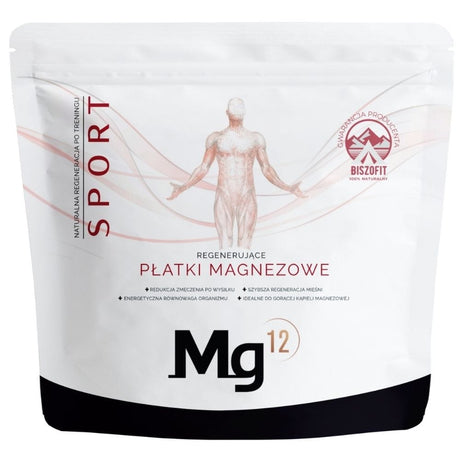
Trans Derma l Gebruik: Baden en magnesiumolie
Trans Derma l toepassing is een steeds populairder alternatief voor mensen die moeite hebben met het oraal opnemen van magnesium, of die het gewoon liever niet drinken. Door magnesiumchloridevlokken in een warm bad op te lossen, kan het gedurende een langere periode via de huid worden opgenomen. Voor een typisch therapeutisch bad gebruikt men ongeveer twee kopjes vlokken in een vol bad met warm water, waarbij een onderdompeling van 30 minuten wordt aanbevolen. Vermijd combinatie met andere badproducten of chemische toevoegingen. Spoel daarna af met schoon water en breng een vochtinbrengende lotion aan — het zout kan bij regelmatig gebruik uitdrogend werken.
Magnesiumolie (, technisch gezien een verzadigde waterige oplossing, en geen olie), kan direct worden aangebracht op plekken met spierspanning of gewrichtsklachten. Ondanks de naam, bevat het geen vet — de beschrijving verwijst naar het olieachtige, gladde gevoel wanneer het in contact komt met de huid. Het kan op de betreffende plekken worden gemasseerd en worden laten zitten of worden afgespoeld als de huid gevoelig reageert. Voor haar- en hoofdhuidverzorging, kan een verdunde magnesiumoliespray, twee tot drie keer per week aangebracht, helpen de gezondheid van de hoofdhuid te ondersteunen en problemen zoals overmatige vettigheid of schilfering te verminderen.


Pullach Hof
Pullach Hof Magnesiumolie-spray - 150 ml
Reguliere prijs €4.59Eenheid prijs€3.06 /100ml 5% korting
BetterYou
BetterYou Magnesiumolie, Kalmerend - 100 ml
Verkoopprijs €18.71 Reguliere prijs €19.69Eenheid prijs€18.71 /100ml

BetterYou
BetterYou Magnesiumolie, Regenererend - 100 ml
Reguliere prijs €19.79Eenheid prijs€197.90 /l


De juiste vorm van magnesium kiezen
Magnesiumchloride is een van de vele magnesiumverbindingen die in supplementen worden gebruikt, en het is niet per se de beste keuze voor iedereen. Door zijn anorganische structuur wordt het goed opgenomen, maar bij hogere doseringen kan het minder zacht zijn voor het spijsverteringsstelsel in vergelijking met sommige organische vormen. Voor wie de voorkeur geeft aan orale capsules of tabletten, bieden andere magnesiumvormen duidelijke voordelen die het vermelden waard zijn.
Magnesiumglycinaat en bisglycinaat — gebonden aan het aminozuur glycine, behoren deze tot de best verdraagbare vormen voor mensen met een gevoelige spijsvertering. Ze worden ook in verband gebracht met kalmerende en slaapbevorderende effecten, waardoor ze een populaire keuze zijn voor suppletie 's avonds. Magnesiummalaat — gecombineerd met appelzuur, ondersteunt deze vorm het energiemetabolisme en wordt vaak gekozen door mensen die kampen met vermoeidheid of spierklachten. Magnesiumcitraat — een goed opneembaar organisch zout met milde laxerende effecten bij hogere doses, waardoor het nuttig is wanneer ook constipatie een probleem is. Gecheleerd magnesium — een brede categorie die vormen omvat waarbij magnesium is gebonden aan aminozuren voor een betere opname, waaronder de veel bestudeerde diglycinaat- en bisglycinaatvormen.
Bekijk ons assortiment mineralensupplementen voor het volledige assortiment, of ontdek opties die specifiek zijn afgestemd op slaapondersteuning als suppletie 's avonds uw prioriteit is.

Nanga
Nanga Magnesiumglycinaat 850 mg - 100 capsules
Reguliere prijs €8.79Eenheid prijs€0.09 per stuk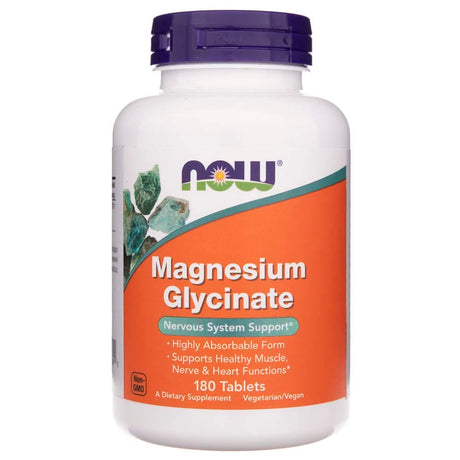


Now Foods
Now Foods Magnesiumglycinaat 100 mg - 180 tabletten
Reguliere prijs €21.99Eenheid prijs€0.12 per stuk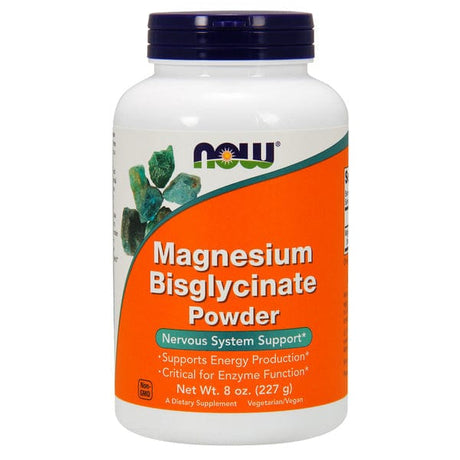
Now Foods
Now Foods Magnesium Bisglycinaat poeder - 227 g
Reguliere prijs €16.49Eenheid prijs€72.64 /kg
Doctor's Best
Doctor's Best Magnesium met hoge absorptie 100 mg - 240 tabletten
Reguliere prijs €27.29Eenheid prijs€0.11 per stuk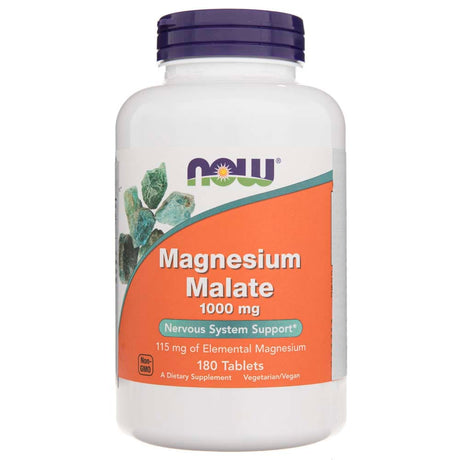


Now Foods
Now Foods Magnesium Malaat 1000 mg - 180 tabletten
Reguliere prijs €19.99Eenheid prijs€0.11 per stuk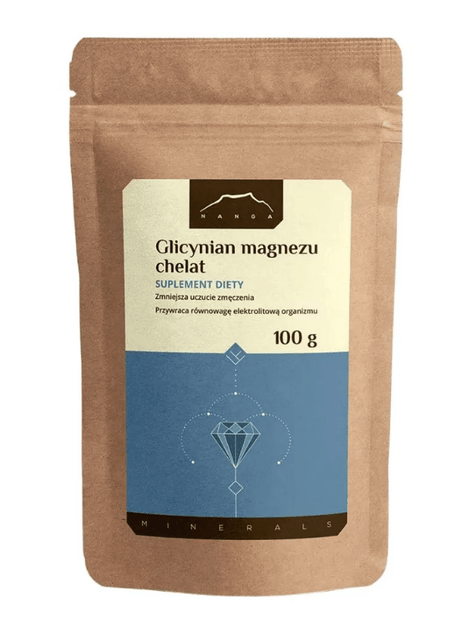


Het moderne dieet is structureel vatbaar voor een magnesiumtekort — en de gevolgen stapelen zich stilletjes op gedurende maanden en jaren voordat ze duidelijk worden. Magnesiumchloride, of het nu oraal wordt ingenomen of trans Derma lly, wordt gebruikt, is een van de meest toegankelijke en effectieve middelen om dit tekort aan te pakken. De sleutel is consistentie: het kan enkele weken duren voordat de eerste effecten zichtbaar worden, maar bij regelmatig gebruik wordt de invloed op energie, spierfunctie, slaapkwaliteit en stressbestendigheid goed ondersteund door zowel traditioneel gebruik als hedendaags onderzoek.
Dit artikel is uitsluitend informatief en vervangt geen medisch advies. Heb je gezondheidsklachten, ben je zwanger, geef je borstvoeding of gebruik je medicijnen, raadpleeg dan een arts of apotheker. Voedingssupplementen zijn geen vervanging voor een gevarieerd voedingspatroon.


