

Psyllium (Plantago psyllium, ook bekend als vloenzaad of ispaghula), is een van de meest grondig onderzochte voedingsvezels ter wereld — en een van de weinige kruideningrediënten die formele gezondheidsclaims heeft gekregen van zowel de Europese Autoriteit voor voedselveiligheid (EFSA) als de Amerikaanse Food and Drug Administration (FDA). De zaden en schillen worden al eeuwenlang in de traditionele geneeskunde gebruikt, en de moderne wetenschap heeft de meeste van die traditionele toepassingen bevestigd en uitgebreid. Als u op zoek bent naar een natuurlijke, en door bewijs ondersteunde manier om de regelmaat van de spijsvertering, cholesterolbeheer, en verzadiging, te ondersteunen, dan is psyllium het overwegen waard.
Wat is psyllium en waar komt het vandaan?
Plantago psyllium is een kleine eenjarige plant uit de Plantaginaceae-familie, afkomstig uit het Middellandse Zeegebied en West-Azië. De plant wordt ongeveer 30–40 cm hoog, en heeft smalle lancetvormige bladeren en kleine bloemen die in dichte, aarachtige trossen staan. De plant gedijt goed in droge, zandgronden en warme, droge klimaten — waardoor het een belangrijk commercieel gewas is geworden in India (waar de variëteit Plantago ovata, of blonde psyllium, dominant is) en in Spanje.
De zaden zijn klein, donkerbruin, en hebben een glad oppervlak. Hun informele Poolse naam — pchle nasienie ("vlooienzaad") — komt van hun vlo-achtige vorm. De zaadschil (niet het hele zaad) bevat de hoogste concentratie aan slijmstoffen, die verantwoordelijk zijn voor de belangrijkste gezondheidseffecten van psyllium. Het is voornamelijk de schil — verkrijgbaar als poeder of in capsulevorm — die in voedingssupplementen wordt gebruikt.
De wetenschap achter psylliumvezels
Psylliumschil is uitzonderlijk rijk aan oplosbare voedingsvezels, voornamelijk een type polysaccharide genaamd arabinoxylanen. Wanneer psylliumschil in contact komt met water, absorbeert het dit snel en zwelt het op tot een stroperige, gelachtige massa — waardoor het volume aanzienlijk toeneemt. Dit is het belangrijkste mechanisme achter vrijwel alle gezondheidsvoordelen van psyllium.
De vezel in psylliumschil is zowel:
- Oplosbaar — vormt een stroperige gel in het spijsverteringskanaal die de maaglediging vertraagt, de opname van glucose en vetten reguleert, en nuttige darmbacteriën voedt als prebiotisch substraat.
- Onoplosbaar (gedeeltelijk) — voegt volume toe aan de ontlasting en stimuleert de darmmotiliteit, waardoor de inhoud in een gezond tempo door de dikke darm wordt getransporteerd.
Deze dubbele werking maakt psyllium uniek onder de voedingsvezels — de meeste zijn overwegend het ene of het andere type. De combinatie is wat psyllium zijn gedocumenteerde effecten op zowel constipatie als dunne ontlasting geeft.
Gezondheidsvoordelen: wat de wetenschap aantoont
Regelmatige stoelgang en verlichting van constipatie
Dit is het best bewezen voordeel en de basis voor de officiële goedkeuring van psyllium als volumeverhogend laxeermiddel in de meeste landen. Door water op te nemen en uit te zetten in de dikke darm, vergroot psyllium het ontlastingsvolume aanzienlijk en verzacht het de consistentie, waardoor de stoelgang gemakkelijker en regelmatiger verloopt. In tegenstelling tot stimulerende laxeermiddelen, die bij langdurig gebruik verslaving kunnen veroorzaken, werkt psyllium mechanisch en zacht zonder de darmwand te irriteren.
Psyllium wordt ook gebruikt bij de behandeling van diarree — de gelvormende eigenschappen helpen de consistentie van de ontlasting in beide richtingen te reguleren, en daarom komt het voor in behandelprotocollen voor het prikkelbare darm syndroom (IBS), waarbij afwisselend constipatie en diarree veel voorkomen.
Cholesterolverlaging
De EFSA van de EU heeft de gezondheidsclaim goedgekeurd dat psylliumschil bijdraagt aan het behoud van een normaal cholesterolgehalte in het bloed bij consumptie als onderdeel van een dieet met weinig verzadigd vet. Het mechanisme is goed bekend: de viskeuze gel die wordt gevormd door oplosbare psylliumvezels in de dunne darm bindt galzuren, en onderbreekt zo de reabsorptie ervan. De lever moet vervolgens nieuwe galzuren synthetiseren uit cholesterol, wat de circulerende LDL-waarden verlaagt. Studies tonen consequent een daling van het totale cholesterol en LDL-cholesterol van ongeveer 5–10% aan bij regelmatige psylliumsuppletie, zonder dat dit een negatief effect heeft op HDL.
Bloedglucosebeheer
De door psyllium gevormde gel vertraagt de maaglediging en de opname van glucose uit de dunne darm, waardoor pieken in de bloedsuikerspiegel na de maaltijd worden afgevlakt. Dit is klinisch relevant voor mensen met diabetes type 2 of het metabool syndroom, en psyllium is in beide groepen onderzocht in combinatie met standaard dieetbehandeling, met gunstige resultaten. Het is geen vervanging voor medische behandeling, maar het is een goed onderbouwd voedingssupplement.
Verzadiging en gewichtsbeheersing
De aanzienlijke uitzetting van psyllium in de maag en het bovenste spijsverteringskanaal zorgt voor een langdurig gevoel van verzadiging, waardoor de honger tussen de maaltijden wordt verminderd. Voor mensen die hun calorie-inname onder controle houden of minder willen snacken, is psyllium, ingenomen vóór de maaltijd met voldoende water, een praktisch hulpmiddel dat in gecontroleerde studies is onderzocht.
Prebiotische effecten op het darmmicrobioom
Psyllium wordt gedeeltelijk gefermenteerd door darmbacteriën in de dikke darm, wat bijdraagt aan de productie van korte-keten vetzuren (SCFA's), met name butyraat, dat de primaire energiebron is voor epitheelcellen in de dikke darm en waarvan de ontstekingsremmende effecten op het darmslijmvlies goed gedocumenteerd zijn. Deze prebiotische werking ondersteunt een gezonde samenstelling van het darmmicrobioom, naast de directe mechanische effecten.
Hoe psyllium te gebruiken: Vormen, Dosering, en timing
Psylliumsupplementen zijn verkrijgbaar in drie hoofdvormen, elk met een iets ander gebruiksprofiel:
- Hele zaden — de meest onbewerkte vorm; de zaden kunnen worden toegevoegd aan water, sap, yoghurt, of pap. Ze zijn iets minder krachtig dan de schillen, omdat de vezels in de buitenste schil geconcentreerder zijn dan in het hele zaad.
- Schillenpoeder — de meest gebruikte vorm van het supplement; lost op tot een stroperige vloeistof wanneer het wordt gemengd met water, sap, of een smoothie. Neutraal van smaak, gemakkelijk toe te voegen aan eten of drinken. Het meeste onderzoek is gedaan naar deze vorm.
- Capsules — handig voor wie de voorkeur geeft aan een precieze, draagbare dosis zonder bereiding. Slik de capsule door met een vol glas water.
Algemene doseringsrichtlijnen:
- Zaden — 5–10 g (ongeveer 1–2 theelepels) per dag, verdeeld over 1–2 porties
- Schilpoeder — 5 g (ongeveer 1 theelepel) per portie, 1–2 keer per dag, gemengd in ten minste 200 ml vloeistof
- Capsules — doorgaans 2 capsules (van elk 500 mg) per portie; volg de productspecifieke instructies
Begin aan de onderkant van het doseringsbereik en verhoog de dosis geleidelijk over een periode van 1–2 weken, zodat het darmmicrobioom en het spijsverteringskanaal zich kunnen aanpassen. Een plotselinge grote toename van voedingsvezels kan tijdelijke een opgeblazen gevoel en winderigheid veroorzaken totdat het lichaam zich heeft aangepast.
Beschikbare psylliumsupplementen
Onze collectie voor het spijsverteringsstelsel omvat een reeks psylliumschilproducten in verschillende vormen om aan verschillende voorkeuren te voldoen:


Now Foods
Now Foods Psyllium Husk 500 mg - 200 plantaardige capsules
Reguliere prijs €13.29Eenheid prijs€0.07 per stuk


Solgar
Solgar Psyllium Husks Fiber 500 mg - 200 plantaardige capsules
Reguliere prijs €25.19Eenheid prijs€0.13 per stuk


Now Foods
Now Foods Psyllium Husk Caps met appelpectine - 180 plantaardige capsules
Reguliere prijs €15.59Eenheid prijs€0.09 per stuk


Psyllium combineren met probiotica en andere vezelbronnen
De prebiotische eigenschappen van psyllium vormen een goede aanvulling op de werking van probiotische supplementen. Terwijl psyllium de gunstige bacteriën voedt die al in de dikke darm aanwezig zijn, introduceren probiotica extra gunstige stammen. Het combineren van beide is een logische aanpak voor uitgebreide ondersteuning van de darmgezondheid, met name na een antibioticakuur, periodes van spijsverteringsstoornissen of bij de overgang naar een vezelrijker dieet. Onze probiotica-collectie omvat een reeks formuleringen met meerdere stammen die geschikt zijn voor gebruik in combinatie met voedingsvezels:
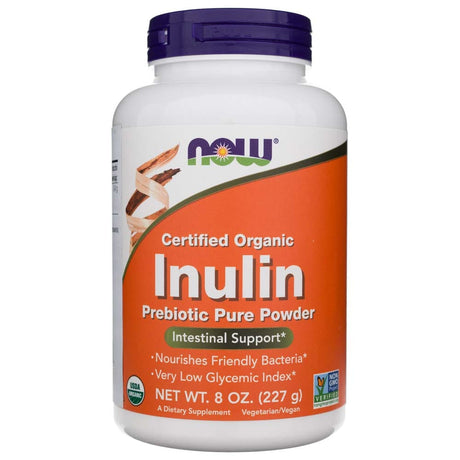


Now Foods
Now Foods Inuline Prebioticum Pure poeder , Organic - 227 g
Reguliere prijs €11.39Eenheid prijs€50.18 /kg

Aliness
Aliness Nature Dieetvezels PLUS met Acerola en Fibregum - 500 g
Reguliere prijs €11.19Eenheid prijs€22.38 /kg
Now Foods
Now Foods Klinisch GI Probioticumum - 60 plantaardige capsules
Reguliere prijs €20.79Eenheid prijs€0.35 per stuk


 15% korting
Aliness
Aliness ProbioBalance Starter Balance Probioticuma & Prebioticuma - 30 plantaardige capsules
Verkoopprijs €7.01 Reguliere prijs €8.29Eenheid prijs€0.23 per stuk


Bijwerkingen, Contra-indicaties, en praktische voorzorgsmaatregelen
Psyllium heeft een uitstekende veiligheidsreputatie en wordt over het algemeen goed verdragen. Milde bijwerkingen — meestal tijdelijke opgeblazenheid, winderigheid, of veranderingen in de stoelgang — komen vaak voor bij het begin van de kuur en verdwijnen doorgaans binnen 1–2 weken naarmate het spijsverteringsstelsel zich aanpast. Inname met onvoldoende water is de meest voorkomende oorzaak van spijsverteringsklachten en het gemakkelijkst te vermijden.
Specifieke situaties die voorzichtigheid of medisch advies vereisen:
- Slikproblemen of een vernauwing van de slokdarm — psyllium mag niet worden gebruikt; de uitzettende gel vormt een risico op verstikking of obstructie.
- Bekende darmobstructie of -vernauwing — een contra-indicatie; volumeverhogende middelen zijn in deze situaties niet geschikt.
- Prikkelbare darmsyndroom (IBS) — over het algemeen goed verdragen en vaak gunstig, maar sommige mensen met IBS zijn gevoelig voor verhoogde vezelinname; begin met een zeer kleine dosis en verhoog deze langzaam.
- Diabetes — bloedsuikerverlagend effect betekent dat mensen die diabetesmedicatie gebruiken hun bloedsuiker moeten controleren wanneer ze psyllium toevoegen, aangezien de dosering van de medicatie mogelijk moet worden aangepast.
- Zwangerschap en borstvoeding — onvoldoende gegevens uit gecontroleerde studies; raadpleeg uw arts voor gebruik.
- Allergie — zeldzaam maar gedocumenteerd; mensen die beroepsmatig met psylliumpoeder werken, kunnen overgevoeligheid ontwikkelen. Als u ademhalingssymptomen ervaart (niezen, piepende ademhaling) na het hanteren van psylliumpoeder, stop dan met het gebruik en raadpleeg uw arts.
Voor wie op zoek is naar bredere kruidenondersteuning voor de spijsvertering, bevat onze kruidencollectie een breed scala aan planten die traditioneel worden gebruikt ter ondersteuning van het spijsverteringscomfort en de darmfunctie.
Dit artikel is uitsluitend informatief en vervangt geen medisch advies. Heb je gezondheidsklachten, ben je zwanger, geef je borstvoeding of gebruik je medicijnen, raadpleeg dan een arts of apotheker. Voedingssupplementen zijn geen vervanging voor een gevarieerd voedingspatroon.


