

Insecten en spinachtigen brengen ziektes over. In tegenstelling tot wat veel mensen denken, is dit niet alleen een probleem in exotische bestemmingen waar een muggenbeet tot malaria kan leiden. In heel Europa, kan de dreiging net zo ernstig zijn — of zelfs nog groter. Teken zijn de boosdoeners in kwestie, en een ontmoeting met een teek kan leiden tot aandoeningen zoals meningitis, een ziekte die zowel kinderen, huisdieren, als volwassenen treft.
Wat zijn teken en waar leven ze?
Teken behoren tot de familie van de spinachtigen, en zijn nauw verwant aan spinnen en mijten. Wereldwijd zijn er meer dan 850 tekensoorten bekend, hoewel er in Midden-Europa slechts een handvol veel voorkomt. De meest voorkomende soorten op het continent zijn onder andere:
- Castorbonenteek (Ixodes ricinus) — de meest wijdverspreide soort in Europa, aangetroffen in loof- en gemengde bossen met een hoge luchtvochtigheid. Deze teken gedijen echter ook goed in parken, tuinen, en groene ruimtes in de voorsteden, waardoor ontmoetingen zelfs tijdens een ontspannen wandeling door een stadspark mogelijk zijn.
- Weidetik (Derma centor reticulatus) — geeft de voorkeur aan vochtige omgevingen zoals struikachtige weiden, moerassige bosgebieden, en oevers van meren. Deze soort komt vooral veel voor in Oost-Europa, en breidt zijn verspreidingsgebied de laatste jaren naar het westen uit.
- Duiventeek (Argas reflexus) — zoals de naam al doet vermoeden, voedt deze soort zich voornamelijk met duivenbloed en wordt aangetroffen in nestgebieden zoals zolders en lofts, wat een risico vormt voor bewoners van stedelijke gebouwen.
Ongeacht de soort vormt de aanwezigheid van teken een reëel gezondheidsrisico voor zowel mensen als hun viervoeters. Teken staan bekend als vectoren van de ziekte van Lyme, door teken overgedragen encefalitis (TBE) en diverse andere gevaarlijke infecties.
Hoe u zich tegen teken kunt beschermen
Teken mogen nooit worden genegeerd, maar hun aanwezigheid betekent niet dat u binnen moet blijven. Door enkele praktische richtlijnen te volgen, kunt u het risico dat u een gastheer voor een teek wordt aanzienlijk verminderen. Hoewel het moeilijk is om ze volledig te vermijden, helpen bewustzijn en voorbereiding al een heel eind.
Bescherming door gedrag
Teken zijn het meest actief in de vroege ochtend en late namiddag, dus het kan helpen om op deze momenten wandelingen door hoge begroeiing te vermijden. Als u gaat wandelen of door de natuur loopt, blijf dan in het midden van de paden en vermijd het om langs struiken en overhangende takken te lopen. Als u van plan bent om op een weide uit te rusten, kies dan een open plek in het midden van een open plek en wacht tot de ochtenddauw is opgedroogd — teken geven de voorkeur aan vochtige omgevingen en zijn minder actief in droge, zonnige omstandigheden.
Kleding speelt ook een belangrijke rol. Het dragen van lange broeken en shirts met lange mouwen vormt een fysieke barrière. Stop uw broek in uw sokken en draag een hoed of pet om uw hoofd te beschermen. Met lichtgekleurde kleding is het veel gemakkelijker om een teek te zien voordat deze je huid bereikt, waardoor je tijd hebt om hem snel weg te vegen.
Chemische afweermiddelen
Hoewel gedragsmaatregelen helpen, bieden chemische afweermiddelen een veel sterkere verdedigingslinie. Deze producten zijn meestal verkrijgbaar als sprays, hoewel roll-ons en crèmes ook effectieve opties zijn. Sprays zijn snel en gemakkelijk aan te brengen, maar hun geur kan relatief snel vervagen. Crèmes en roll-ons, bieden daarentegen meestal langdurigere bescherming — breng gewoon een dun laagje aan op de blootgestelde huid voor enkele uren bescherming. Belangrijk is dat er nu ook kruidenformules op de markt zijn die veilig zijn voor gebruik bij kinderen jonger dan drie jaar.



Mugga
Mugga Spray 50% DEET, insectenwerend middel - 75 ml
Reguliere prijs €9.89Eenheid prijs€13.19 /100ml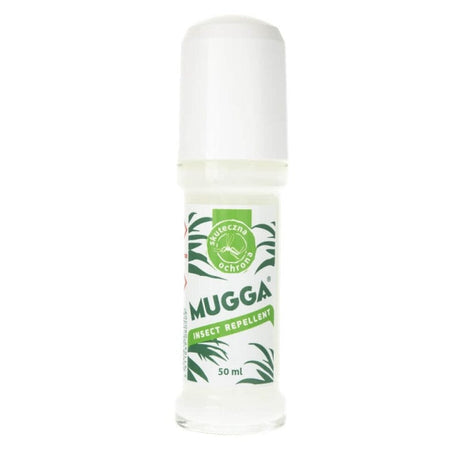

Mugga
Mugga Roll-On 20% DEET, insectenwerend middel - 50 ml
Reguliere prijs €6.49Eenheid prijs€12.98 /100ml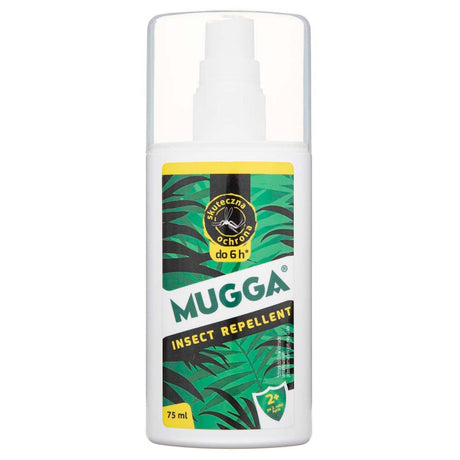


Mugga
Mugga Spray 9, 5% DEET, insectenwerend middel - 75 ml
Reguliere prijs €6.79Eenheid prijs€90.53 /l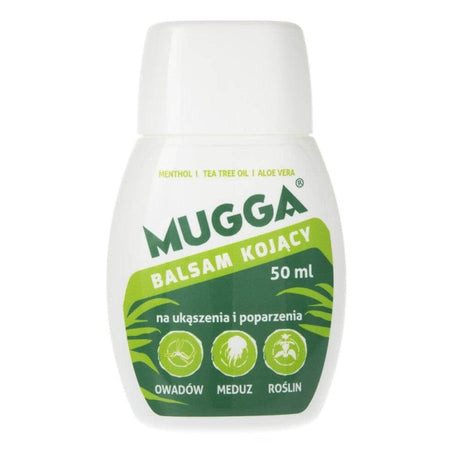

Mugga
Mugga Verzachtende balsem voor muggenbeten en brandwonden - 50 ml
Reguliere prijs €6.59Eenheid prijs€13.18 /100ml


Voor een ruimere selectie van sprays, roll-ons, en balsems, blader door onze volledige insectenwerende collectie.
Ultrasone tekenafweermiddelen
Een relatief nieuwe innovatie op het gebied van tekenbescherming is het ultrasone afweermiddel. Deze kleine, draagbare gadgets zenden ultrasone golven uit die de zintuigen van teken verstoren, waardoor het voor hen moeilijker wordt om een potentiële gastheer te detecteren. Ze zijn vrij van chemicaliën, volledig stil voor het menselijk oor en uiterst handig — klem er gewoon een aan uw kleding of riem en geniet maandenlang van bescherming. Dit maakt ultrasone apparaten tot een van de veiligste en meest comfortabele methoden voor tekenpreventie, ideaal voor gezinnen met jonge kinderen of iedereen die liever geen chemicaliën op de huid aanbrengt.
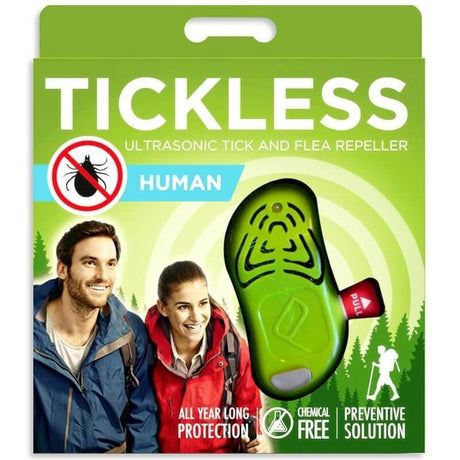


Tickless
Tickless Menselijk Ultrasoon tekenafweermiddel - Groen
Reguliere prijs €41.39Eenheid prijs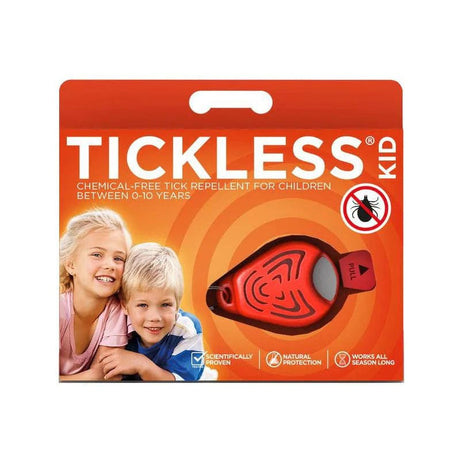

 5% korting
Tickless
Tickless Ultrasoon tekenwerend middel voor kinderen - Oranje
Verkoopprijs €32.79 Reguliere prijs €34.59Eenheid prijs

 10% korting
Tickless
Tickless Baby Ultrasoon tekenwerend middel - Beige
Verkoopprijs €32.69 Reguliere prijs €36.39Eenheid prijs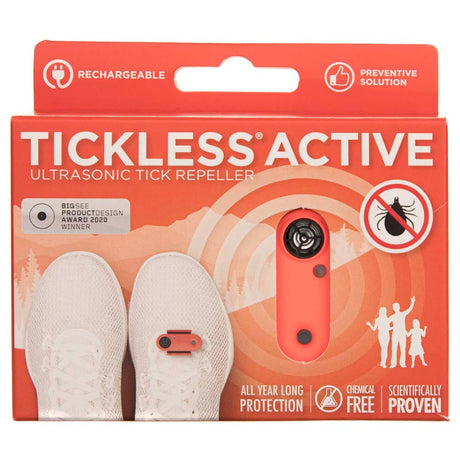


Bekijk ons volledige assortiment elektronische tekenafweermiddelen om de juiste optie voor elk gezinslid te vinden.
Tekenbescherming voor honden
Honden beschermen tegen teken is een bijzondere uitdaging. Onze viervoeters worden van nature aangetrokken door alle plekken waar teken graag zitten — struiken, hoog gras, dicht bos — en ze in het midden van een pad houden is zelden een optie. Honden verkennen met hun neus, rollen in het gras, en banen zich een weg door het struikgewas, waardoor ze bijzonder kwetsbaar zijn voor tekenbeten.
Traditionele beschermingsmethoden voor honden zijn onder meer geurhalsbanden die teken afstoten door middel van een chemische barrière. De geur vervaagt echter na verloop van tijd en het regelmatig vervangen van halsbanden kan lastig en duur worden. Injecteerbare behandelingen toegediend door een dierenarts bieden een andere optie, maar vereisen regelmatige bezoeken aan de dierenarts. Topische sprays die voor mensen zijn ontworpen, worden over het algemeen niet aanbevolen voor gebruik bij huisdieren.
Dit is waar ultrasone afweermiddelen voor huisdieren een praktisch, en zorgeloos alternatief bieden. Bevestig het apparaat eenvoudig aan de halsband van uw hond en het biedt het hele seizoen door continue, chemievrije bescherming tegen teken — geen bezoeken aan de dierenarts nodig, geen irriterende chemicaliën, en geen vervagende geur om u zorgen over te maken.

Tickless
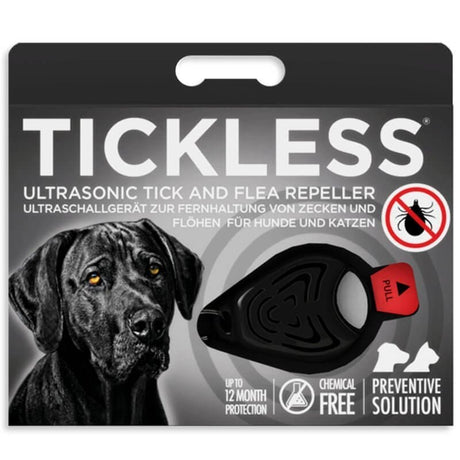
Tickless Ultrasoon tekenafweermiddel voor honden - Zwart
Reguliere prijs €34.69Eenheid prijs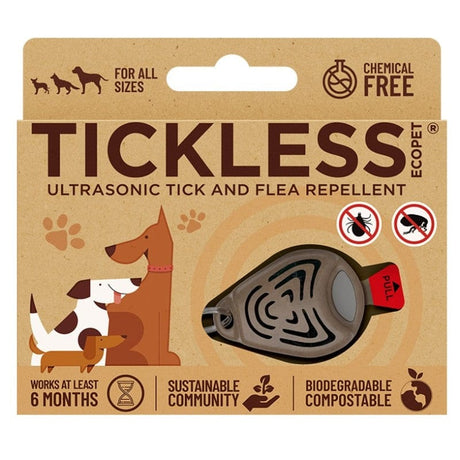
 10% korting
Tickless
Tickless Eco Pet Ultrasone Tekenverjager - Bruin
Verkoopprijs €30.59 Reguliere prijs €33.99Eenheid prijs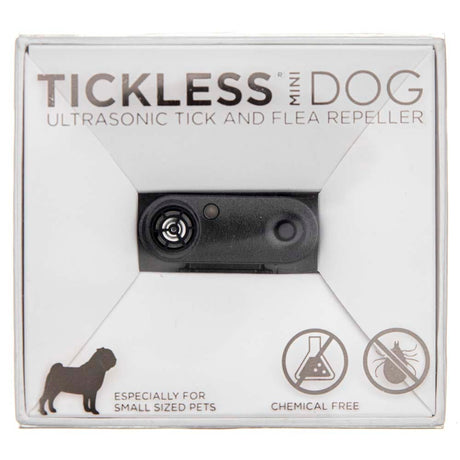


Tickless
Tickless Ultrasone tekenverjager voor huisdieren - Zwart
Reguliere prijs €44.29Eenheid prijs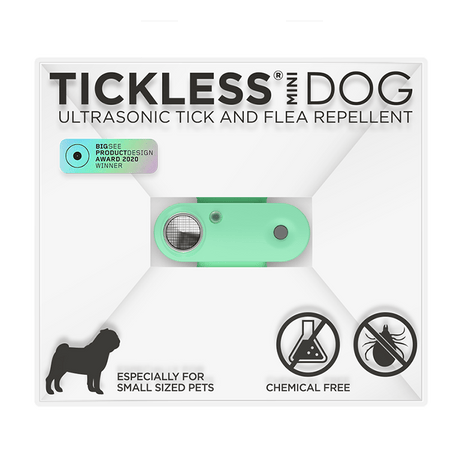
 5% korting
Tickless
Tickless Ultrasone tekenverjager voor huisdieren - Mentha Green
Verkoopprijs €43.99 Reguliere prijs €46.39Eenheid prijs


U vindt meer producten voor het welzijn van uw huisdier in onze bescherming tegen teken en vlooien sectie, of blader door de volledige verzorgingscollectie voor huisdieren bij Medpak.
Wat te doen als u gebeten wordt
Ondanks de beste voorzorgsmaatregelen, kunnen tekenbeten nog steeds voorkomen. Als u een teek op uw huid aantreft, verwijder deze dan zo snel mogelijk met een pincet met fijne punten of een speciaal hulpmiddel voor het verwijderen van teken. Pak de teek zo dicht mogelijk bij het huidoppervlak vast en trek deze met een constante, gelijkmatige druk omhoog. Draai, plet of knijp niet in het lichaam van de teek, aangezien dit ertoe kan leiden dat er meer ziekteverwekkers in de wond terechtkomen.
Reinig na het verwijderen de beetplek grondig met een antiseptisch middel en houd deze enkele weken in de gaten. Als u een zich uitbreidende rode uitslag opmerkt, vaak ringvormig, koorts, hoofdpijn of gewrichtspijn, raadpleeg dan onmiddellijk een arts — dit kunnen vroege tekenen zijn van de ziekte van Lyme. Een verzachtende balsem kan in de tussentijd helpen bij het verlichten van jeuk en irritatie. Bekijk onze producten voor verzorging na een beet voor milde, effectieve opties.
Belangrijkste conclusie: Bescherming tegen teken is een meerlaagse aanpak — combineer gedragsbewustzijn, geschikte kleding, chemische afweermiddelen, en moderne ultrasone apparaten voor de meest effectieve bescherming. Of u nu uzelf, uw kinderen, of uw huisdieren, beschermt, vroeg in het seizoen beginnen en consequent blijven is de beste strategie voor een tekenvrije buitenervaring.
Dit artikel is uitsluitend informatief en vervangt geen medisch advies. Heb je gezondheidsklachten, ben je zwanger, geef je borstvoeding of gebruik je medicijnen, raadpleeg dan een arts of apotheker. Voedingssupplementen zijn geen vervanging voor een gevarieerd voedingspatroon.


