

Alsem (Artemisia absinthium) is een bitter geneeskrachtig kruid waarvan de geschiedenis teruggaat tot het oude Griekenland en Egypte. Al eeuwenlang gewaardeerd in de traditionele en empirische geneeskunde, wordt het gebruikt om de spijsvertering te ondersteunen, de bloedsomloop te stimuleren, en een reeks veelvoorkomende klachten te verhelpen. Wat maakt deze plant precies zo duurzaam, en hoe kunnen de eigenschappen ervan in de praktijk worden toegepast Toda y?
Wat is alsem?
Artemisia absinthium behoort tot de familie Asteraceae en zou zijn ontstaan in de woeste steppen van Siberië. In de loop van de tijd — door zowel natuurlijke verspreiding als menselijke activiteit — verspreidde het zich over Zuid-, Oost-, en Centraal-Europa, en komt het nu voor in Noord-Amerika, Noord-Afrika, Azië, en in heel Polen, waar het groeit op vruchtbare vlaktes, bermen, rotsachtige hellingen, en braakliggende terreinen, en tot een meter hoog kan worden.
De plant is in het veld gemakkelijk te herkennen aan zijn zilvergroene bladeren die bedekt zijn met fijne haartjes. Van eind juli tot en met september, produceert de plant kleine gele bloemen, gegroepeerd in lange, vertakte pluimen. De bittere stoffen en etherische oliën die in deze bladeren en bloemen geconcentreerd zijn, zijn verantwoordelijk voor het kenmerkende karakter van alsem en de al lang bestaande rol ervan in de traditionele geneeskunde.
Eenjarige alsem (Artemisia annua) — Een nauw verwante soort die het kennen waard is
Een zeldzamer maar steeds vaker bestudeerd familielid is Artemisia annua, bekend als eenjarig alsem of zoete alsem. De plant komt oorspronkelijk uit Oost-Europa en West-Azië, en wordt al eeuwenlang gebruikt in de traditionele Chinese geneeskunde en volksgeneeskunde. Wat het bijzonder opmerkelijk maakt, is de unieke werkzame stof, artemisinine, die aanzienlijke wetenschappelijke belangstelling heeft gewekt vanwege de antiparasitaire, antibacteriële, ontstekingsremmende, en antioxiderende eigenschappen. Onderzoek heeft de mogelijke rol ervan onderzocht bij de bestrijding van malaria veroorzakende Plasmodium parasieten en andere parasitaire aandoeningen, waaronder toxoplasmose. Eenjarige alsem wordt doorgaans geconsumeerd als gedroogde bladeren of extract van de hele plant.
Chemische samenstelling en belangrijkste eigenschappen
Het brede scala aan effecten dat traditioneel aan alsem wordt toegeschreven, weerspiegelt een complex fytochemisch profiel. Naast de kenmerkende bittere verbindingen — die verantwoordelijk zijn voor de sterk bittere smaak — bevat Artemisia absinthium verschillende bioactieve bestanddelen:
- Thujon — een monoterpeen dat verantwoordelijk is voor sommige van de stimulerende effecten van alsem, maar ook de stof is die overmatige consumptie potentieel schadelijk maakt
- Carotenoïden — plantpigmenten met antioxiderende werking
- Flavonoïden — polyfenolverbindingen met ontstekingsremmende en antioxiderende eigenschappen
- Lignanen — plantaardige verbindingen die worden geassocieerd met antioxidant- en hormonale ondersteuning
- Tannines — samentrekkende verbindingen met een TiB bacteriedodende werking
- Vitaminen — waaronder vitamine C en andere micronutriënten
Samen, dragen deze bestanddelen bij aan een reeks traditioneel erkende werkingen, waaronder windafdrijvend, slijmoplossend, ontstekingsremmend-inflammatoire, diuretische, antioxiderende, krampstillende, spijsverteringsbevorderende, en TiB bacteriedodende, antiparasitaire, stimulerende, en stemmingsondersteunende effecten.
Traditionele toepassingen en mogelijke gezondheidsvoordelen
Het belangrijkste traditionele toepassingsgebied van alsem is de spijsvertering. De bittere stoffen en etherische oliën in Artemisia absinthium worden in de natuurgeneeskunde en de empirische geneeskunde gezien als stimulerend voor de maagklieren, darmen, en speekselklieren, terwijl ze ook de activiteit in de lever en alvleesklier bevorderen. Dit maakt het een interessante plant voor mensen die op zoek zijn naar natuurlijke ondersteuning voor een comfortabel spijsverteringsstelsel.
Spijsverteringsklachten
Infusies van alsem worden traditioneel gebruikt om een reeks spijsverteringsklachten te helpen verlichten, waaronder een opgeblazen gevoel, brandend maagzuur, maagkrampen, teveel maagzuur en aanhoudende winderigheid. Aangenomen wordt dat de bittere bestanddelen de spijsverteringsafscheidingen stimuleren, wat bijdraagt aan een efficiëntere afbraak en doorvoer van voedsel door het spijsverteringskanaal. Bekijk onze supplementen voor het spijsverteringsstelsel voor een breder scala aan opties voor de darmgezondheid.
Ondersteuning van lever en galblaas
Alsem wordt al lang gebruikt als cholagogum — een stof die de galafscheiding en -stroom kan bevorderen. Deze traditionele toepassing suggereert een potentieel voordeel voor de lever- en galblaasfunctie, door de activiteit te helpen normaliseren en het ongemak te verminderen dat gepaard gaat met een trage galproductie. De werkzame stoffen kunnen de lever ook helpen bij het opruimen van overtollige gifstoffen die worden geproduceerd door een traag metabolisme, en regelmatig gebruik van alsemthee of -tincturen wordt traditioneel in verband gebracht met een verminderd risico op de vorming van galstenen.
Mondgezondheid en adem
Een onaangename adem heeft vaak een bacteriële oorzaak, soms verergerd door een onderliggende spijsverteringsstoornis. De combinatie van bacteriële en spijsverteringsbevorderende eigenschappen van alsem maakt het een traditioneel middel tegen ademproblemen die een darmgerelateerde component hebben.
Menstruatieondersteuning
Traditioneel gebruik van alsem omvat de toepassing ervan voor het verminderen van baarmoederongemak en pijn geassocieerd met de menstruatie. Naast de pijnstillende eigenschappen, wordt het van oudsher gebruikt om de hormonale balans te helpen stabiliseren, hoewel deze toepassingen eerder traditioneel dan klinisch bevestigd gebruik weerspiegelen.
Antiparasitaire toepassingen
Een van de historisch meest significante toepassingen van alsem is de antiparasitaire werking. Artemisia absinthium wordt gebruikt als middel om parasieten uit het maag-darmkanaal en de darmen te verwijderen, waar de antibacteriële en bittere bestanddelen een ongunstige omgeving voor parasitaire organismen creëren. De afstotende eigenschappen strekken zich ook uit tot uitwendige parasieten — alsem wordt van oudsher gebruikt om luizen, vlooien, teken, en muggen af te schrikken.
Hoe gebruik je alsem
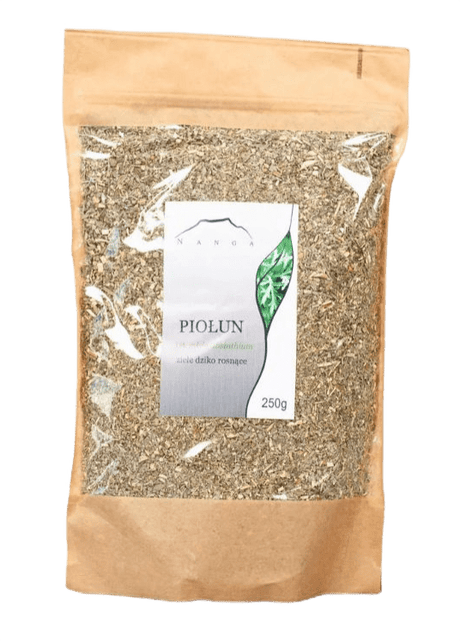
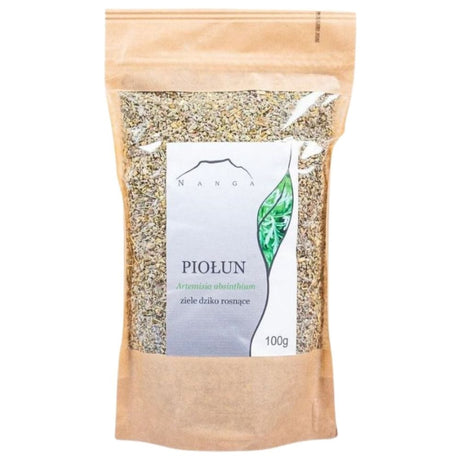
Alsem is verkrijgbaar in verschillende vormen — los gedroogd kruid, capsules, vloeibare extracten, en tincturen — elk geschikt voor verschillende voorkeuren en behoeften.
Als hete aftreksel (Thee)
De meest gebruikelijke en toegankelijke bereidingswijze is een hete aftreksel. Bereiding:
- Breng een liter water aan de kook.
- Giet het kokende water over 3–7 gram gedroogd alsemblad.
- Laat ongeveer 10 minuten trekken, en zeef het vervolgens.
- Drink maximaal twee kopjes per dag, voor of na de maaltijd.
Alsemthee mag niet worden gezoet, omdat dit de spijsverteringsbevorderende werking kan verminderen. De bittere smaak is een integraal onderdeel van de werking.
Alsemtinctuur
Een alsemtinctuur — bereid door de bovengrondse delen van de plant te laten trekken in sterke alcohol zoals wodka — is een verre verwant van absint en vermout, en wordt al eeuwenlang gebruikt als middel tegen spijsverteringsklachten, waaronder maagpijn, een opgeblazen gevoel, en brandend maagzuur. Aangenomen wordt dat de combinatie van bittere stoffen en alcohol helpt de darmen te ontspannen en de eetlust te stimuleren, mits met mate geconsumeerd.
Capsules en vloeibare extracten
Voor wie de intens bittere smaak liever vermijdt, bieden gestandaardiseerde capsules en geconcentreerde vloeibare extracten een handiger alternatief. Deze vormen zijn vooral praktisch wanneer een consistente, meetbare dosering de prioriteit is. U vindt een zorgvuldig samengestelde selectie in onze kruidencollectie en in ons bredere detox- en reinigingsassortiment.


Quicksilver
Quicksilver BitterX van Dr. Shade - 50 ml
Reguliere prijs €44.79Eenheid prijs€89.58 /100ml
Doctor's Best
Doctor's Best Betaïne HCL Pepsine & Gentiaanbitters - 120 Capsules
Reguliere prijs €21.79Eenheid prijs€0.18 per stuk


Dit artikel is uitsluitend informatief en vervangt geen medisch advies. Heb je gezondheidsklachten, ben je zwanger, geef je borstvoeding of gebruik je medicijnen, raadpleeg dan een arts of apotheker. Voedingssupplementen zijn geen vervanging voor een gevarieerd voedingspatroon.


